Understanding the Basics of Preschool Homeschooling
Preschool homeschooling offers a unique opportunity to tailor your child's education to their individual needs and interests. Unlike traditional preschool programs, homeschooling allows for flexibility in scheduling, curriculum selection, and teaching methods. Embarking on the journey of preschool homeschooling involves more than just setting up a classroom at home. It requires a deep understanding of your child's developmental milestones and how to create a stimulating learning environment that fosters growth and curiosity.The Importance of a Structured Curriculum
Preschoolers thrive on routine and structure. Having a well-structured curriculum helps them develop a sense of order and predictability, which is important for their overall development. Integrating various subjects into a structured curriculum can enhance your child's cognitive abilities and critical thinking skills. Incorporating elements of play-based learning, such as educational games and hands-on activities, can make the learning process engaging and enjoyable for your preschooler.Tailoring Education to Your Child's Needs
One of the main advantages of homeschooling is the ability to adapt the curriculum to suit your child's specific learning style and interests. Being able to focus on areas where your child shows particular aptitude or requires extra support is one of the key benefits of homeschooling. Observing your child's interests and learning preferences can guide you in creating a customized educational experience. Whether your child is drawn to art, science, music, or nature, incorporating these passions into their daily lessons can ignite a love for learning that will stay with them throughout their educational journey.Key Components of a Preschool Homeschool Curriculum
A comprehensive preschool homeschool curriculum should cover various subjects to ensure a well-rounded education for your child. Here are some key components that you should consider:Literacy and Language Development
Developing strong literacy skills at a young age is crucial for future academic success. A curriculum that incorporates reading, storytelling, and phonics activities can help your child develop a love for language and improve their communication skills. Reading is not just about decoding words; it is about understanding and making meaning from text. A well-designed curriculum will expose your child to a variety of genres, from classic children's literature to informational texts. This will not only expand their vocabulary but also enhance their comprehension skills. Storytelling, on the other hand, allows children to use their imagination and creativity, as they create their own narratives and engage in pretend play.Numeracy and Basic Math Skills
Introducing basic math concepts such as counting, shapes, and patterns is important for developing your child's mathematical thinking. A curriculum that includes hands-on activities, games, and real-life examples can make learning math fun and engaging. Math is all around us, and a good curriculum will help your child see the relevance of math in their everyday lives. Incorporating real-life examples, such as counting objects during a nature walk or using shapes to build structures, not only reinforces the concepts but also helps your child understand how math is applied in the world. Hands-on activities and games further enhance their understanding by providing opportunities for exploration and problem-solving.Science and Discovery Learning
Encouraging your child's curiosity about the world around them is a fundamental part of their early education. A curriculum that incorporates science experiments, nature exploration, and hands-on activities can stimulate their interest in the natural world and foster a love for learning. Science is all about exploration and discovery, and a well-rounded curriculum will provide ample opportunities for your child to engage in hands-on experiments and investigations. From observing plants grow to conducting simple chemical reactions, these activities not only teach scientific concepts but also develop critical thinking and problem-solving skills. Nature exploration, on the other hand, allows children to connect with the natural world, fostering a sense of wonder and appreciation for the environment.Social and Emotional Learning
Preschool is not just about academics; it's also a time for children to develop social and emotional skills. A curriculum that focuses on building relationships, empathy, and self-awareness can help your child develop the social and emotional intelligence necessary for navigating the world around them. Building strong social and emotional skills is essential for your child's overall well-being and success in life. A comprehensive curriculum will provide opportunities for your child to engage in cooperative play, develop empathy by understanding others' feelings, and practice self-awareness by recognizing and managing their own emotions. These skills lay the foundation for healthy relationships, effective communication, and resilience in the face of challenges.Choosing the Right Homeschool Curriculum
When selecting a preschool homeschool curriculum, there are a few important considerations to keep in mind: As you embark on the journey of homeschooling your preschooler, it's crucial to consider not only the curriculum content but also the teaching approach it embodies. Reflect on your child's learning style, interests, and your own teaching preferences. Are you drawn to a structured curriculum that provides daily lesson plans and clear guidelines, or do you lean towards a more flexible, child-led approach that allows for exploration and creativity? Moreover, beyond the academic aspect, think about the values and principles you wish to instill in your child through their early education. A curriculum that aligns with your goals and beliefs will not only facilitate learning but also foster a deeper connection between you and your little learner.Considerations for Curriculum Selection
Consider your child's learning style, interests, and your own teaching preferences. Are you looking for a structured curriculum with daily lesson plans, or do you prefer a more flexible approach? It's essential to find a curriculum that aligns with your goals and values. Before making a decision, take the time to delve into the world of preschool curriculums and explore the plethora of options available. From play-based learning to Montessori-inspired activities, there is a curriculum out there to suit every educational philosophy. By researching and understanding the different approaches, you can make an informed choice that resonates with both you and your child.Reviewing Top-Rated Preschool Curriculums
Do your research and read reviews from other homeschooling parents. There are many reputable preschool curriculums available, each with its own strengths and weaknesses. Take the time to find one that suits your needs and has a good track record.Implementing Your Chosen Curriculum
Once you have chosen a curriculum, it's time to put it into action. Here are some tips for implementing your chosen curriculum effectively:Creating a Daily Homeschool Schedule
Establishing a daily routine is essential for the success of your homeschooling journey. Create a schedule that includes structured learning time, breaks, and playtime. Flexibility is key, but having a general framework helps provide a sense of normalcy and structure to your child's day. But what does a typical day look like in a homeschool setting? Well, it can start with a morning meeting, where you and your child discuss the day's goals and activities. This sets the tone for the day and helps your child understand what to expect. Then, you can move on to focused learning time, where you dive into the core subjects of your curriculum. This can be followed by a short break, where your child can stretch their legs and recharge.Engaging Your Child in Learning Activities
Make learning fun and interactive by incorporating hands-on activities, games, and field trips. Preschoolers learn best through play, so finding ways to make learning engaging and enjoyable will enhance their educational experience. For example, if you're teaching your child about animals, you can plan a trip to the local zoo. This hands-on experience allows your child to see the animals up close and personal, making the learning experience more memorable. You can also incorporate games and interactive activities into your daily routine. Whether it's a scavenger hunt to find objects that start with a specific letter or a math game using colorful manipulatives, these activities make learning exciting and help solidify concepts.Tracking Progress and Adjusting the Curriculum
Regularly assess your child's progress to ensure they are meeting their learning goals. Be open to making adjustments to the curriculum if something isn't working or if your child's interests shift. Homeschooling provides the flexibility to adapt and customize the curriculum as needed. One way to track progress is by keeping a portfolio of your child's work. This can include samples of their writing, artwork, and completed assignments. It serves as a visual representation of their growth and allows you to see their progress over time. Additionally, regularly checking in with your child and discussing their learning experience can help identify areas where adjustments may be necessary. Remember, homeschooling is a journey, and being flexible and responsive to your child's needs is key. In conclusion, choosing the best homeschool curriculum for preschool requires careful consideration and understanding of your child's needs. By providing a structured and engaging learning environment, tailoring the curriculum to your child's interests, and implementing it effectively, you can provide a high-quality education that sets a strong foundation for their future academic success. So, take the time to create a daily schedule that works for your family, find creative ways to make learning fun and interactive, and be open to adapting the curriculum as needed. With these strategies in place, your homeschooling journey will be filled with growth, discovery, and joy.Bring Learning to Life with Baketivity
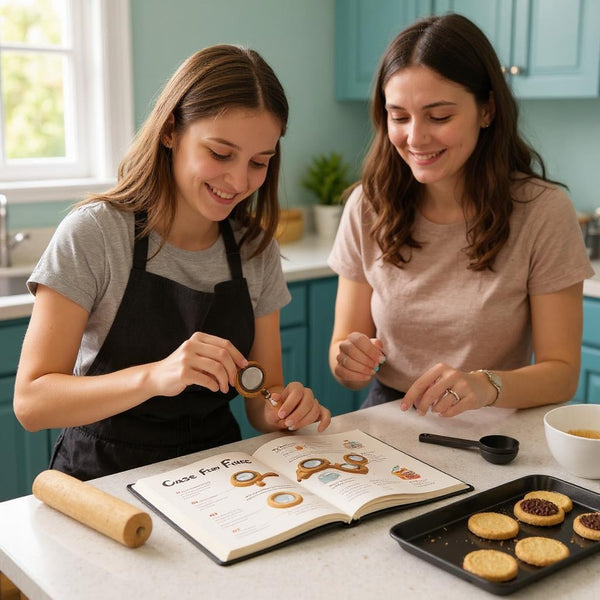
As you cultivate a love for learning in your preschooler with a tailored homeschool curriculum, why not extend the classroom into the kitchen with Baketivity? Our baking kits are the perfect complement to your educational journey, blending the joy of baking with hands-on learning experiences that support your child's growth in literacy, numeracy, science, and more. By joining the Baketivity family, you'll not only enrich your child's homeschooling adventure but also create unforgettable family memories. Join the Club today and discover the sweet side of education!