

Watching young chefs discover their culinary passion in the kitchen brings joy to every parent's heart. Kids' cooking competitions have become a fantastic way to spark creativity, build confidence and develop essential life skills while having fun. Whether it's a friendly neighborhood cook-off or a school-wide event, these competitions create lasting memories.
We've seen firsthand how cooking contests transform timid beginners into confident young chefs. What starts as simple recipe following can blossom into creative experimentation with flavors and techniques. Have you noticed how your child's eyes light up when they create something delicious in the kitchen? These competitions offer the perfect stage for them to shine and explore their potential.
Key Takeaways
- Kids' cooking competitions offer valuable learning experiences that extend beyond culinary skills, helping develop confidence, time management, and teamwork abilities
- Both individual and team-based competition formats provide unique opportunities for young chefs to showcase their talents, from mystery basket challenges to collaborative restaurant service events
- Essential skills for success include proper food safety practices, basic knife techniques, temperature control, and fundamental cooking methods
- Effective preparation involves regular practice sessions at home, proper equipment selection, and organized ingredient management
- Television shows like "MasterChef Junior" and local community programs provide platforms for young chefs to demonstrate their skills while connecting with culinary professionals
- Competitions help transform shy beginners into confident young chefs through structured learning environments and constructive feedback
Benefits of Youth Cooking Competitions
Youth cooking competitions create transformative learning experiences that equip children with practical skills extending beyond the kitchen. These events offer structured environments where young chefs develop essential life competencies through hands-on practice.
Building Confidence in the Kitchen
Cooking competitions boost children's self-assurance through measured achievements in food preparation. Young participants master basic knife skills, learn proper measuring techniques, and explore flavor combinations in a supportive setting. Each successful dish completion adds to their growing confidence, demonstrated by:
- Attempting advanced recipes with multiple components
- Speaking clearly about their culinary choices
- Taking initiative in kitchen problem-solving
- Presenting dishes with pride to judges
- Accepting constructive feedback gracefully
Learning Time Management Skills
Competition settings teach kids to organize tasks efficiently within strict time limits. Young chefs learn to:
- Break down complex recipes into manageable steps
- Create prep lists before starting
- Monitor multiple cooking processes simultaneously
- Plate dishes precisely at designated times
- Clean workstations while cooking
- Multi-tasking abilities
- Project planning expertise
- Crisis management capabilities
- Resource allocation skills
- Deadline awareness
| Time Management Component | Skill Developed | Application |
|---|---|---|
| Recipe Planning | Organization | 15-minute prep schedule |
| Execution Timeline | Prioritization | 45-minute cooking window |
| Plating Schedule | Precision | 5-minute presentation prep |
Popular Kids' Cooking Competition Formats

Kids' cooking competitions offer diverse formats that cater to different skill levels and learning styles. These competitive platforms create engaging environments where young chefs demonstrate their culinary talents.
Individual Challenges
Individual cooking competitions test each participant's skills through solo challenges like mystery basket contests, timed recipe recreations and signature dish presentations. Young chefs receive a set of ingredients or specific requirements and must complete their dishes within established time frames. These solo formats include:
- Speed challenges: Creating dishes in 30-60 minute intervals
- Mystery ingredient battles: Using surprise components to make cohesive plates
- Recipe development: Creating original dishes based on themes or dietary restrictions
- Technical skills tests: Demonstrating mastery of specific cooking methods
- Plating competitions: Focusing on food presentation and artistic expression
Team-Based Events
Team cooking competitions teach collaboration skills while building culinary expertise through group challenges. These formats pair 2-4 young chefs who work together to complete complex multi-course meals or large-scale projects. Common team formats include:
- Restaurant service challenges: Preparing multiple courses for guest judges
- Food truck competitions: Creating themed menus for mobile service
- Catering events: Planning and executing meals for large groups
- Recipe relay races: Tag-team cooking with timed handoffs
- Kitchen brigade battles: Assigning specific roles like sauce chef or pastry chef
| Category | Points Available |
|---|---|
| Taste | 40 points |
| Presentation | 25 points |
| Creativity | 20 points |
| Kitchen Safety | 15 points |
Essential Skills for Young Competitors
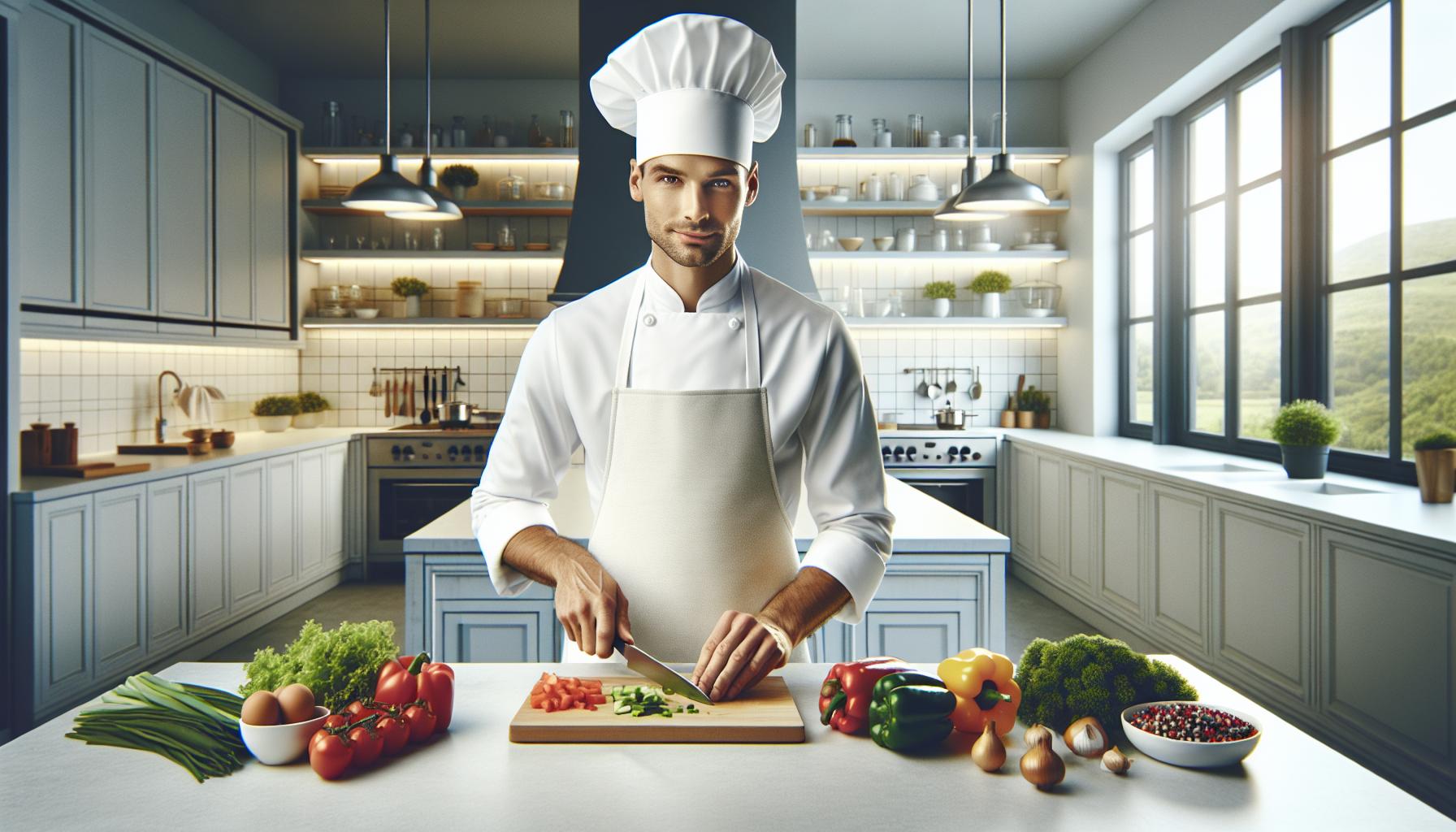
Young chefs require specific skills to excel in cooking competitions. These foundational abilities create a strong base for success in competitive cooking environments.
Food Safety and Kitchen Etiquette
Food safety forms the cornerstone of competitive cooking for young chefs. Proper hand washing techniques, sanitizing workstations, and maintaining appropriate food temperatures prevent contamination. Competition participants learn essential protocols like using separate cutting boards for raw meats and produce, wearing hair nets, and storing ingredients at safe temperatures.
Key kitchen etiquette practices include:
- Keeping workstations clean and organized
- Communicating clearly with "behind you" or "hot pan" alerts
- Respecting shared equipment and spaces
- Following proper knife handling protocols
- Maintaining personal hygiene standards
Basic Culinary Techniques
Mastering fundamental cooking methods gives young competitors an edge in competitions. Essential techniques include:
Knife Skills:
- Proper grip and cutting motions
- Basic cuts (dice, julienne, chiffonade)
- Safe knife handling and storage
Temperature Control:
- Reading meat thermometers
- Understanding cooking temperatures for different proteins
- Managing stovetop heat levels
Measurement and Timing:
- Converting recipe quantities
- Using measuring tools accurately
- Setting multiple timers
- Estimating cooking durations
Cooking Methods:
- Sautéing vegetables
- Grilling proteins
- Blanching produce
- Roasting ingredients
- Making basic sauces
These techniques build confidence in young chefs as they progress through competition challenges. Regular practice of these skills creates muscle memory, allowing competitors to focus on creativity and presentation during timed events.
How to Prepare Your Child for a Cooking Competition
Effective preparation sets young chefs up for success in cooking competitions. Here's a comprehensive guide to help your child develop confidence and skills before their competition.
Practice Strategies
Set up mock competitions at home to simulate real competition conditions. Create timed challenges with 30-60 minute deadlines for completing specific recipes. Practice these key elements:
- Mise en place setup with organized ingredients and tools
- Recipe reading and interpretation before starting
- Time management with multiple cooking tasks
- Plating techniques using different plate styles
- Clean-as-you-go habits during cooking
- Verbal presentation of completed dishes
Record practice sessions to review techniques and identify areas for improvement. Hold family taste tests to get constructive feedback on flavors, textures and presentation.
Equipment and Ingredients
Stock your practice kitchen with competition-standard tools and ingredients:
Essential Equipment:
- Chef's knife (appropriate size for child's hands)
- Digital kitchen scale for precise measurements
- Multiple mixing bowls in varied sizes
- Standard measuring cups and spoons
- Digital thermometer for food safety
- Timer for tracking cooking intervals
Basic Ingredients:
- Fresh produce: vegetables, fruits, herbs
- Protein options: eggs, chicken, fish
- Pantry staples: flour, sugar, spices
- Cooking fats: oils, butter
- Dairy products: milk, cream, cheese
- Garnishing items: fresh herbs, edible flowers
| Competition Practice Schedule | Time Allocation |
|---|---|
| Knife Skills Practice | 15 mins/day |
| Recipe Reading | 20 mins/day |
| Timed Cooking Challenge | 60 mins/3x week |
| Plating Practice | 30 mins/2x week |
| Food Safety Review | 15 mins/week |
Keep ingredients fresh and rotate stock regularly. Organize tools and equipment in stations similar to competition layouts. Label storage containers clearly for quick ingredient access during timed practices.
Notable Kids' Cooking Shows and Events
Popular cooking competitions for kids showcase young culinary talent through televised shows and community-based events. These platforms create opportunities for children to demonstrate their cooking abilities and gain recognition.
Television Competitions
Television cooking competitions for kids captivate audiences with high-stakes challenges and impressive displays of young talent. Shows like "Kids Baking Championship" and "MasterChef Junior" feature children ages 8-13 competing in professional kitchens. Each episode presents participants with themed challenges, from creating multi-tiered cakes to crafting restaurant-quality entrees. These shows incorporate:
- Technical challenges testing specific cooking skills
- Mystery box ingredients requiring creative thinking
- Team-based cooking battles showcasing collaboration
- Elimination rounds judged by professional chefs
- Special holiday-themed competitions
Local Community Programs
Community-based cooking competitions connect young chefs with local culinary experts and food enthusiasts. Libraries host monthly cook-offs focused on seasonal ingredients while community centers organize quarterly events featuring cultural cuisine themes. These programs include:
- County fair cooking contests with age-specific categories
- School district culinary competitions between different schools
- Farm-to-table challenges using local produce
- Cultural food festivals celebrating diverse recipes
- Youth cooking clubs with monthly competitions
| Competition Type | Age Range | Frequency | Typical Prizes |
|---|---|---|---|
| Junior Chef Battles | 8-12 | Monthly | Cooking Equipment |
| Teen Cook-offs | 13-17 | Quarterly | Cash Awards |
| Family Teams | All Ages | Bi-annual | Kitchen Appliances |
Conclusion
Kids' cooking competitions offer an incredible platform for young chefs to grow both in and out of the kitchen. We've seen how these events spark creativity build confidence and instill crucial life skills that extend far beyond culinary expertise.
Whether participating in individual challenges or team events these competitions create lasting memories and meaningful connections. The comprehensive learning experience shapes confident resourceful young chefs who are well-equipped to tackle challenges in all aspects of life.
Let's continue encouraging and supporting the next generation of culinary enthusiasts through these enriching competitive experiences. The future of food innovation lies in the hands of these talented young chefs who dare to dream create and compete.
Frequently Asked Questions
What are the main benefits of kids' cooking competitions?
Kids' cooking competitions foster creativity, build confidence, and develop essential life skills. They help children transform from timid beginners into confident cooks while learning time management, organization, and problem-solving abilities. These events also provide hands-on experience in a structured environment where kids can express themselves through cooking.
What types of cooking competitions are available for children?
There are two main formats: individual and team-based competitions. Individual challenges include mystery basket contests, timed recipe recreations, and plating competitions. Team events feature restaurant service challenges, food truck competitions, catering events, and recipe relay races.
How are participants evaluated in cooking competitions?
Participants are evaluated using a points system that considers multiple factors: taste, presentation, creativity, and kitchen safety. Judges assess these elements to determine winners, ensuring a fair and comprehensive evaluation of each contestant's performance.
What basic skills do children need for cooking competitions?
Essential skills include food safety knowledge, kitchen etiquette, basic knife skills, temperature control, and proper measurement techniques. Children should also understand various cooking methods and maintain a clean, organized workspace while communicating effectively with others.
How can parents help prepare their children for cooking competitions?
Parents can set up mock competitions at home, help practice mise en place setup, and conduct family taste tests. They should provide essential equipment like chef's knives and digital scales, maintain fresh ingredients, and organize tools to mirror competition layouts. Recording practice sessions for review is also recommended.
What age groups can participate in cooking competitions?
Most cooking competitions cater to children between 8-13 years old, as seen in popular shows like "Kids Baking Championship" and "MasterChef Junior." However, local community events and county fairs may offer categories for different age groups, making competitions accessible to various skill levels.
How long do typical cooking competitions last?
Time limits vary by competition type, but most challenges range from 30 minutes to 2 hours. Individual challenges typically have shorter time frames, while team-based events may allow more time for complex meal preparation and presentation.
Where can children find cooking competitions to enter?
Children can participate in various venues, including television shows, local community programs, county fairs, and school district competitions. Many communities also offer culinary programs and events that connect young chefs with food enthusiasts and industry professionals.


