

Key Takeaways
- Homeschooling combined with arts and crafts fosters creativity, critical thinking, and fine motor skill development while making learning more engaging and hands-on.
- Arts and crafts can deepen academic understanding by aligning creative projects with subjects like math, science, and history, creating interactive and memorable lessons.
- Selecting age-appropriate activities, affordable supplies, and aligning crafts with educational goals ensures a manageable and enriching homeschool experience.
- Integrating arts and crafts into a homeschool curriculum through structured scheduling, dedicated craft spaces, and thematic projects enhances both focus and creativity.
- Hands-on learning through crafting builds problem-solving, collaboration, and memory retention skills, while encouraging children to express themselves creatively.
- Balancing structured activities with freedom, showcasing completed projects, and involving the whole family can make arts and crafts a rewarding part of homeschooling.
Homeschooling offers us a chance to create meaningful, hands-on learning experiences, and arts and crafts are a perfect way to bring creativity into the mix. These activities aren't just about glue and glitter—they help children think critically, express themselves, and develop fine motor skills. Whether we're teaching math through pattern-making or exploring history with themed projects, crafting adds depth to learning.
But how do we keep things engaging without feeling overwhelmed by planning? What materials truly spark curiosity and imagination? As we guide our children through their education, finding simple yet impactful ways to incorporate creativity can make all the difference. Let’s explore how arts and crafts can transform our homeschooling journey into something truly enriching for both us and our kids.
Importance Of Arts And Crafts In Homeschooling
Arts and crafts offer a dynamic way to enrich homeschooling. They provide opportunities for children to learn through making, enhancing their creativity, coordination, and emotional growth.
Encouraging Creativity And Imagination
Creative activities like painting, sculpting, and drawing inspire children to think outside the box. Crafting projects, such as designing greeting cards or assembling models, give kids the freedom to explore new ideas. How can we spark even more imaginative thinking during everyday lessons? Incorporating themes from subjects like history or science into arts and crafts can merge learning with creativity.
Enhancing Fine Motor Skills
Craft-based tasks like cutting paper, threading beads, or molding clay strengthen fine motor coordination. These activities teach children to refine their hand movements. At the same time, they improve handwriting and other skills requiring dexterity. Are we integrating enough hands-on projects into their learning routines to support this development?
Boosting Emotional Development
Arts and crafts provide an outlet for feelings and foster emotional well-being. Activities like journaling through art or creating collages let children express their thoughts visually. They also build resilience by encouraging persistence when faced with challenging tasks. Have we considered how crafting can play a role in helping our children understand and process their emotions?
Choosing The Right Arts And Crafts For Homeschooling
Selecting suitable arts and crafts for homeschooling enriches the learning process and fosters creativity. Keeping activities engaging, educational, and manageable is key to a positive experience.
Age-Appropriate Activities
Activities tailored to a child’s developmental stage maximize engagement and learning potential. Younger children benefit from simple tasks like finger painting and paper cutting, which help develop basic skills. Older students can try more intricate projects, such as sewing, woodworking, or digital design. Are the activities you’re choosing encouraging age-relevant skills and interests?
Consider how projects align with your child’s fine motor skills, attention span, and creativity level. For instance, preschoolers might enjoy creating collages using safe, colorful materials, while teens could excel in photography or complex model building.
Aligning With Educational Goals
Crafts that reinforce academic subjects make homeschooling more dynamic. Integrate projects like building 3D geometric shapes to strengthen math concepts or crafting clay models of historic landmarks to enhance history lessons. Are you leveraging crafts to deepen your child’s understanding of core subjects?
Materials like science kits or themed art supplies simplify this process. For example, having children design a solar system model teaches astronomy interactively. Aligning projects with your curriculum keeps learning purposeful while maintaining creativity.
Budget-Friendly Craft Supplies
Affordable supplies keep crafting accessible for homeschooling families. Items like recycled paper, washable paints, and inexpensive craft tools offer high value without straining finances. Are there cost-effective options you’re overlooking that could elevate your projects?
Using household items reduces expenses while encouraging resourcefulness. Cardboard boxes, magazines, and old buttons can create engaging crafts. Bulk-buying or sourcing from local stores also lowers material costs while maintaining variety.
Integrating Arts And Crafts Into Homeschool Curriculum
Integrating arts and crafts into a homeschool curriculum can enhance learning while keeping children engaged. These activities provide hands-on methods for understanding concepts across various subjects.
Combining Art With Academic Subjects
Blending arts and crafts with academics makes lessons more interactive and memorable. For example, creating dioramas can illustrate historical events, and painting life cycles can enrich science lessons. Crafting geometric models helps children visualize math concepts like symmetry or volume.
Which subjects could benefit most from creative integration in your homeschool? Identifying these opportunities encourages deeper learning and fosters engagement in topics that may seem challenging when taught traditionally.
Setting Up A Dedicated Crafting Space
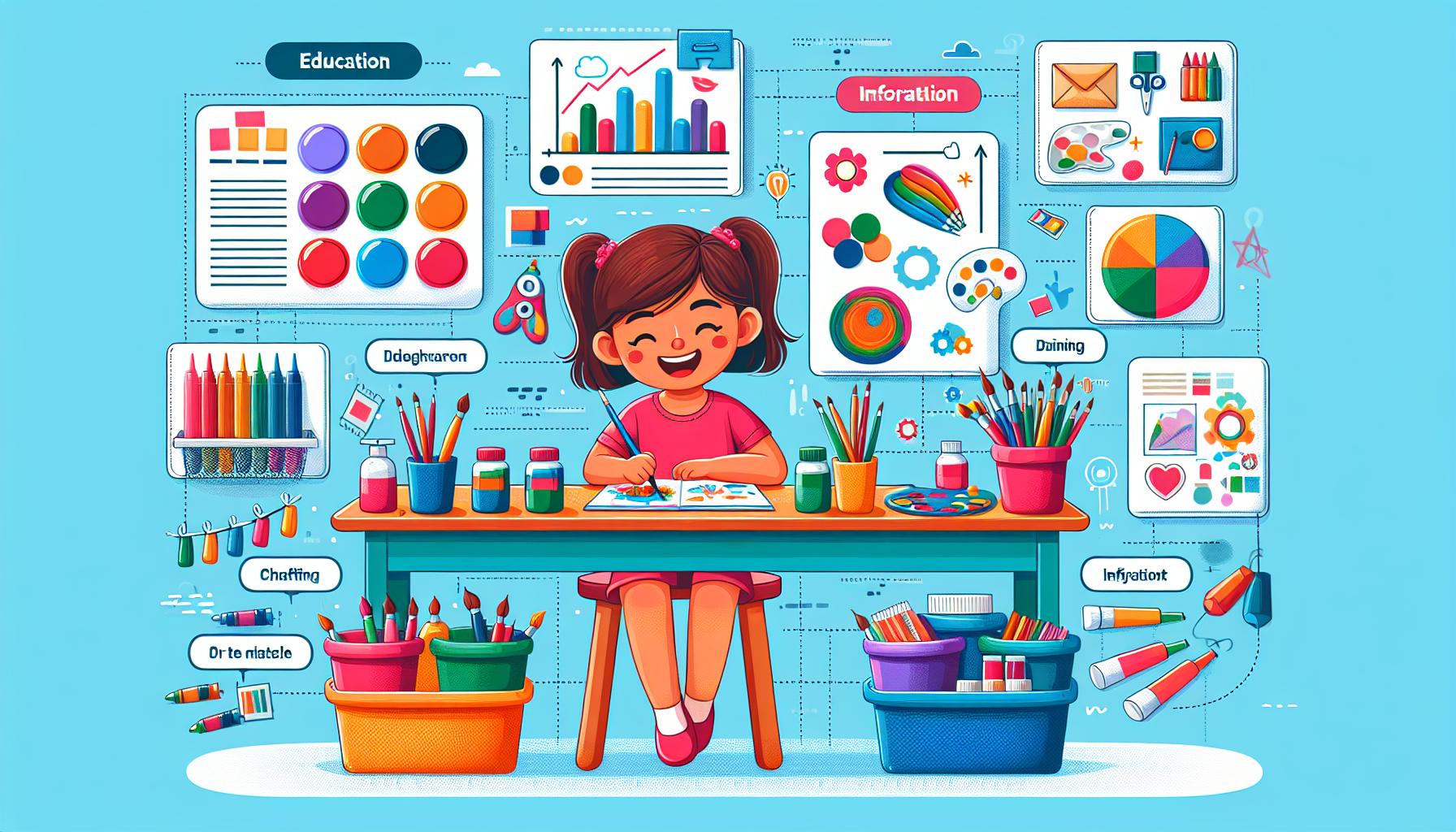
A designated crafting area helps keep supplies organized and minimizes distractions. Consider a small table with storage bins for items like paper, paint, glue, and markers. Labeling supplies can make cleanup and access simpler. If space is limited, even a portable kit or container works well to maintain order.
What would make crafting time easier and more enjoyable in your home setup? A thoughtfully prepared space supports focus and creativity while streamlining the transition between activities.
Scheduling Creative Time In Daily Lessons
Incorporating regular creative time into the daily schedule builds consistency. For younger children, short sessions of 15–20 minutes work best, while older students can handle longer, more detailed projects. Rotating different crafts throughout the week keeps interest high without feeling repetitive.
Would your daily routine benefit from more structured creative breaks? Even brief art sessions can reduce stress and improve focus on academic tasks. This balance nurtures a well-rounded homeschool experience.
Benefits Of Hands-On Learning Through Arts And Crafts
Hands-on learning through arts and crafts brings many advantages to homeschooling. It combines creativity with tangible learning experiences, helping children develop critical life skills.
Strengthening Problem-Solving Skills
Art projects encourage children to think critically and find solutions. Whether they're deciding how to balance colors in a painting or designing a stable structure using cardboard, these activities build their creative reasoning. Challenges like fixing mistakes or choosing the best materials teach adaptability. How often do we provide children with opportunities to tackle problems independently?
Encouraging Collaboration And Social Skills
Crafts promote teamwork and communication when children create together. Group projects, such as making a large mural or assembling a diorama, help kids share ideas, delegate tasks, and listen to others' inputs. Even with siblings, crafting fosters cooperation and the ability to compromise. How can we use these moments to strengthen connections and mutual understanding?
Enhancing Memory And Retention
Creative tasks solidify information by linking learning to physical activities. For example, weaving patterns teaches math concepts like symmetry, while building paper models of ecosystems reinforces biology lessons. These tactile connections make details easier to recall. Could incorporating hands-on crafts deepen your child’s understanding of subjects further?
Tips For Successful Homeschooling Through Arts And Crafts
Homeschooling with arts and crafts builds more than academic knowledge. It nurtures creativity, collaboration, and hands-on problem-solving. Using these activities effectively can enhance the learning experience for everyone involved.
Balancing Structure And Freedom
Combining planned activities with open-ended choices fosters creativity while meeting educational goals. Starting with a clear objective, like creating a family tree or designing a geographical map, focuses efforts. Afterward, allowing kids to explore their artistic interpretation adds freedom to the process.
How often do we allow children to follow their own interests during crafting? Providing options like customizing their projects with different materials or approaches encourages personal expression. Balance between guidance and independence offers learning opportunities without stifling creativity.
Showcasing Completed Projects
Displaying finished artwork celebrates accomplishments and motivates children to excel. Designate a wall or bulletin board for a rotating gallery. This not only builds confidence but also shows children their work is valued.
Encourage kids to talk about their creations with family and friends. Could explaining their projects deepen their understanding of the subject? For example, a crafted water cycle model becomes a teaching tool when a child presents it, reinforcing their learning.
Involving The Entire Family
Group crafting strengthens bonds and enriches learning. Invite siblings or parents to collaborate on shared projects, like creating a holiday-themed decor or building a diorama. These team efforts also teach social skills like communication and cooperation.
How can everyone feel included without overwhelming the process? Offering age-appropriate roles, such as cutting materials for younger children and assembling complex elements for older ones, ensures everyone contributes. Family involvement solidifies the importance of teamwork while making homeschooling enjoyable for all.
Conclusion
Homeschooling becomes a richer, more engaging journey when we integrate arts and crafts into our routines. These activities not only spark creativity but also build essential skills and deepen our children’s connection to what they’re learning. By thoughtfully choosing projects that align with educational goals and fostering an environment where imagination thrives, we can create a balanced and enjoyable learning experience.
Let’s embrace the power of hands-on learning to inspire curiosity, strengthen family bonds, and nurture well-rounded growth. With the right materials, a bit of planning, and a focus on fun, arts and crafts can transform our homeschool days into something truly memorable.
Frequently Asked Questions
1. Why are arts and crafts important in homeschooling?
Arts and crafts enhance creativity, critical thinking, and fine motor skills while making the learning process more interactive and memorable. They can integrate with core subjects like math, history, and science to deepen understanding and engagement.
2. How can I align arts and crafts with educational goals?
Incorporate crafts into lessons strategically, such as creating clay models of landmarks for history or using 3D shapes to teach geometry. Aligning projects with subjects makes learning enjoyable and effective.
3. What are some budget-friendly craft supply ideas?
Use recycled materials like cardboard, plastic containers, and household items. Inexpensive supplies such as paper, glue, and paints can foster creativity without overspending.
4. How do arts and crafts support emotional development?
Arts and crafts allow children to express their feelings, build resilience, and develop persistence in completing challenging activities, promoting emotional growth.
5. What skills can children develop through crafting?
Crafts strengthen fine motor skills, problem-solving, adaptability, communication, teamwork, and memory retention by turning abstract concepts into hands-on experiences.
6. How do I keep arts and crafts manageable in homeschooling?
Set up a dedicated crafting space with organized storage for supplies. Schedule regular, age-appropriate crafting sessions and rotate activities to maintain interest.
7. What types of crafts suit different age groups?
Younger children enjoy simple tasks like finger painting or collages, while older students benefit from more complex projects such as model building or creating dioramas.
8. How can I encourage creativity in crafting activities?
Balance structure with freedom. Set clear objectives for each project but allow children to explore their interpretation. Showcase finished pieces to celebrate their creativity.
9. How can I include arts and crafts in a busy homeschool schedule?
Incorporate short craft sessions into your daily routine or supplement academic lessons with relevant hands-on activities. Rotate crafts throughout the week to keep variety and maintain balance.
10. Can arts and crafts improve collaboration in homeschooling?
Yes, group crafting activities foster teamwork, communication, and shared problem-solving, building stronger bonds among siblings and family members. Assign age-appropriate roles to ensure everyone participates.


