


Key Takeaways
- Homeschooling field trips enhance learning by turning theoretical lessons into engaging, real-world experiences, fostering curiosity and retention.
- Socialization and family bonding opportunities arise during outings, helping kids develop teamwork, empathy, and a deeper connection with family members.
- Diverse field trip options include historical sites, nature trails, science centers, and art exhibits, aligning with various subjects to provide hands-on educational experiences.
- Effective planning ensures success, including setting clear educational goals, budgeting wisely, and preparing logistics to keep trips enjoyable and stress-free.
- Engaging pre- and post-trip activities like research, open-ended questions, and follow-up discussions reinforce learning and make the experience more impactful.
- Affordable options are available, such as free community resources, discounted group rates, and local events, ensuring enriching outings without stretching the budget.
Homeschooling gives us the freedom to explore education beyond the confines of a classroom. Field trips become a powerful tool, turning lessons into real-world experiences that spark curiosity and deepen understanding. They allow us to connect what we teach at home to the vibrant, hands-on learning opportunities around us.
But how do we choose the right outings that align with our goals and keep our kids engaged? From museums and nature trails to historical landmarks and science centers, the options can feel overwhelming. The beauty of these trips lies in their ability to make learning come alive, but planning them can sometimes feel like a challenge.
What if we could make field trips more meaningful and stress-free? Let’s explore how we can create enriching experiences that inspire our children and add excitement to our homeschooling journey.
Benefits Of Homeschooling Field Trips
Field trips offer invaluable opportunities to enrich homeschooling experiences. By stepping outside traditional settings, learners engage deeply with lessons, build connections, and create lasting memories.
Enhancing Learning Through Real-World Experiences
Field trips transform theoretical lessons into practical applications. For example, visiting a science museum allows students to see principles of physics in action, while tours of historical sites bring pivotal events to life. These hands-on interactions help solidify understanding, sparking curiosity and retention. How often do we find that real-world exposure encourages children to ask deeper questions? Through such experiences, abstract concepts become relatable and easier to grasp.
Encouraging Socialization Opportunities
Group outings with co-ops or other homeschool families provide avenues for children to connect with peers. Shared activities at parks, zoos, or even educational workshops encourage teamwork, communication, and collaboration. These interactions let children practice patience, build confidence, and navigate differing viewpoints in natural settings. By engaging in shared experiences, how can they not develop mutual respect and empathy?
Promoting Family Bonding
Field trips create shared moments of learning and discovery. Exploring art exhibits or hiking nature trails strengthens family ties by encouraging teamwork and shared achievement. Such experiences make education an inclusive, family-centered activity. Isn't creating joyful memories while learning one of the most rewarding aspects of homeschooling? These outings leave a lasting impact on relationships, fostering a sense of unity and mutual growth.
Types Of Homeschooling Field Trips
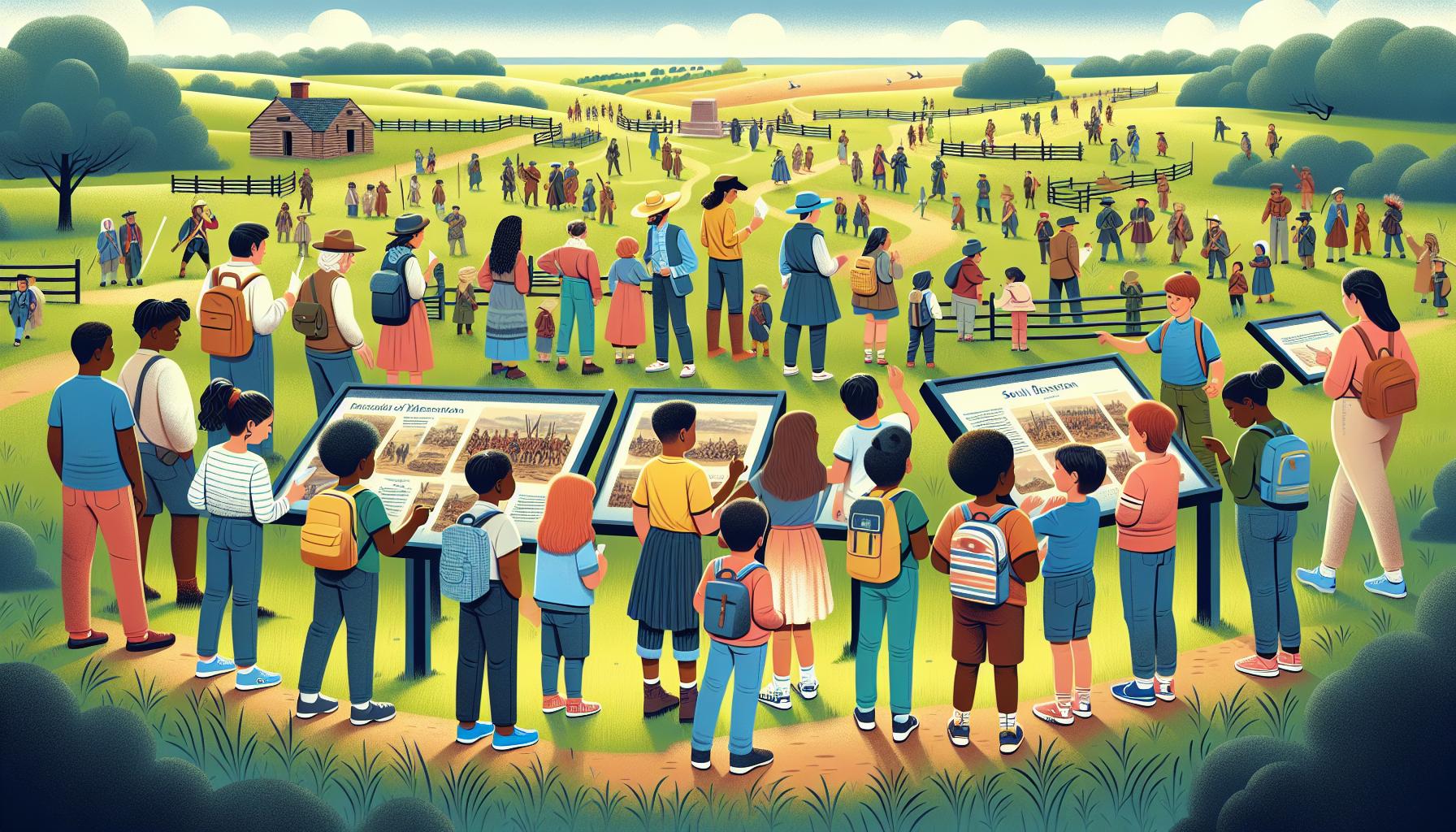
Field trips enrich homeschooling by providing experiential learning opportunities. Selecting destinations that align with specific subjects makes education engaging and memorable.
Historical Sites And Museums
Exploring historical sites and museums brings history lessons to life. Sites like battlefields, colonial villages, or landmarks showcase pivotal events and cultures. Museums offer exhibits on topics ranging from ancient civilizations to modern innovations. For example, a trip to a local history museum can complement studies about your region’s development. These visits help children connect with the past while fostering critical thinking about historical contexts.
Nature And Outdoor Activities
Nature outings provide hands-on science and environmental learning. National parks, hiking trails, and botanical gardens introduce ecological concepts like biodiversity. For instance, observing local wildlife during a nature walk teaches children about habitats. Activities such as beach cleanups or farm tours also promote awareness of conservation efforts and sustainable practices. These outdoor experiences often inspire curiosity about the natural world.
Science And Technology Centers
Science and technology centers combine education with interactive exhibits. Topics like physics, chemistry, and robotics become tangible through hands-on displays. Visits to planetariums or space observatories deepen interests in astronomy. Additionally, zoos and aquariums teach biological processes and animal behavior. These centers encourage innovation and problem-solving by immersing children in practical applications of scientific principles.
Art And Cultural Exhibits
Art galleries and cultural exhibits nurture creativity and cultural appreciation. Viewing sculptures, paintings, or modern installations provides insight into artistic techniques. Cultural festivals or heritage museums highlight traditions, music, and languages. A trip to an art studio might even allow children to create their own pieces. These experiences build understanding of diverse perspectives through exposure to the arts.
Planning Effective Homeschooling Field Trips

Organizing field trips that are both fun and educational can feel overwhelming. With the right approach, we can create enriching experiences that support learning objectives while staying engaging for our children.
Setting Educational Goals
Clear educational goals set the foundation for successful field trips. What specific skills or knowledge do we want our children to gain? For instance, a visit to a science museum could focus on understanding scientific principles like magnetism or motion. A historical site might teach context about significant events.
Link each field trip to the current curriculum or upcoming lessons. When children see how the trip connects to their studies, they stay more involved. Let’s also consider adding pre- and post-trip activities, like discussions, worksheets, or projects, to reinforce new information.
Finding Budget-Friendly Options
Field trips don’t have to be expensive to be effective. Community resources such as local parks, libraries, or small museums often provide low-cost or free educational opportunities. Many historical landmarks also cater to educational groups with discounted admission fees.
Check for group rates if we plan outings with other homeschooling families. Some locations offer special programs for homeschoolers. Public events like science fairs or local cultural celebrations provide other affordable options that may align with our objectives.
Scheduling And Logistics
Good planning simplifies the process, making trips enjoyable and stress-free. Choose dates and times that fit our family’s routine to keep things manageable. Weekdays often have fewer crowds, offering a better learning environment.
Prepare by researching transportation, parking, and accessibility in advance. Packing essentials, such as snacks, water, and activity packs, helps keep children comfortable throughout the trip. Build some flexibility into the schedule to allow time for younger kids who may need breaks or moments to explore at their own pace.
Tips For A Successful Field Trip Experience
A well-planned homeschooling field trip expands learning in an engaging, real-world setting. Thoughtful preparation, active participation, and effective follow-up can make each outing impactful.
Engaging Students With Pre-Trip Preparation
Preparing students before a field trip enhances anticipation and lays the groundwork for meaningful learning. Discuss the trip's purpose, connecting it to specific subjects or themes that you're studying at home. For example, talk about the science behind ecosystems before visiting a wildlife refuge or explore historical events leading to a famous landmark's creation.
Provide students with simple research tasks. Let them investigate topics related to the destination, such as its history, purpose, or unique features. Offer materials like videos or books to build their understanding. Involve them in planning by asking questions such as, "What are you most excited to learn about here?"
Create a list of open-ended questions they can explore during the trip. This fosters curiosity and makes students more active participants rather than passive observers.
Making The Most Of On-Site Activities
Maximizing on-site experiences involves active engagement in the activities provided. Encourage children to ask questions as they engage with guides, exhibits, or demonstrations. If you're visiting a museum, challenge them to identify artifacts related to your study topics, or if you're exploring nature, prompt them to observe and document specific plants or animals.
Use worksheets or scavenger hunts that guide children to look for key details. Keep these tools simple to promote focus without overwhelming them.
Collaborate with others if you're attending with a group. Assign small tasks, like documenting findings or leading discussions, to enhance teamwork and shared learning. Reinforce discussion by asking afterward, "What did you find most fascinating about this exhibit or site?"
Reflecting And Following Up Post-Trip
Reflection deepens the learning gained during the trip. After returning home, hold a discussion about the experience. Ask questions like, "How does what we saw connect to what we've been learning?"
Encourage children to create reports, drawings, or even presentations summarizing their observations. For example, they can design a poster showing the impact of conservation efforts after visiting a zoo or summarize cultural insights from an art exhibit.
Tie the trip back to your curriculum with activities that apply what they learned. For history, create timelines based on site visits. For science, design experiments inspired by what they observed. Linking post-trip activities to earlier preparation reinforces the material and makes the outing more memorable.
Conclusion
Homeschooling field trips offer a unique way to blend education with adventure, creating a dynamic learning environment that goes beyond the classroom. These experiences inspire curiosity, deepen understanding, and strengthen family connections while fostering valuable social and life skills.
By thoughtfully planning and engaging in these outings, we can make education more meaningful and memorable for our children. Field trips not only enrich the homeschooling journey but also leave a lasting impact, shaping well-rounded learners who are eager to explore the world around them.
Frequently Asked Questions
What are the main benefits of homeschooling field trips?
Homeschooling field trips offer hands-on learning experiences, making lessons engaging and memorable. They enhance understanding by connecting theoretical knowledge to real-world applications, foster curiosity, and improve retention. These outings also promote socialization, teamwork, and family bonding, creating shared moments and strengthening relationships.
How do field trips support experiential learning?
Field trips immerse students in real-world scenarios, helping them link classroom concepts to practical applications. For instance, visiting historical sites, science centers, or art exhibits provides hands-on exposure, encourages critical thinking, and nurtures creativity. This approach makes learning interactive and meaningful.
What types of field trips are ideal for homeschooling?
Great options include historical sites, science and technology centers, museums, nature trails, and cultural exhibits. These destinations align with various subjects like history, science, art, and geography, offering diverse, interactive, and educational experiences.
How can I plan effective homeschooling field trips?
Start by setting clear educational goals that align with your curriculum. Research destinations, plan logistics, and involve students in pre-trip discussions. Incorporate post-trip activities, like reflections and projects, to reinforce learning. Look out for budget-friendly options, such as group discounts or community resources.
How can homeschooling field trips encourage socialization?
Field trips with co-ops or other homeschool families create opportunities for children to interact with peers, practice teamwork, and improve communication skills. They foster mutual respect, empathy, and collaboration, essential for personal and social development.
How can I make field trips more meaningful for students?
Ensure the trip ties to current lessons by discussing its purpose beforehand and assigning research tasks. During the trip, encourage active engagement with activities like scavenger hunts or worksheets. Follow up with discussions or creative projects to solidify learning.
Are field trips a good way to bond as a family?
Yes, homeschooling field trips create shared learning experiences that bring families closer together. Exploring museums, hiking, or attending cultural events fosters quality time, strengthens relationships, and makes education a family-centered activity.
How can I manage costs while planning homeschooling field trips?
Take advantage of community resources like libraries and local parks, look for free entry days, or inquire about group discounts for educational outings. Flexible planning and creative thinking can significantly reduce expenses while ensuring a valuable experience.
What should I include in a field trip checklist?
Your checklist should include essentials like travel tickets, snacks, water, educational materials (e.g., worksheets, notebooks), and weather-appropriate clothing. Pre-trip planning ensures a smooth and enjoyable experience for the entire group.
How can I ensure field trip safety and success?
Prepare by researching the destination, sharing rules with students, and packing first-aid supplies. Assign roles (especially during group trips), stay organized, and maintain clear communication to ensure an enriching and stress-free experience.


