

Key Takeaways
- Homeschooling mindfulness combines education with techniques like deep breathing and gratitude journaling to promote emotional well-being and focus.
- Integrating mindfulness into homeschooling helps reduce stress, improve concentration, and enhance emotional regulation for both parents and children.
- Simple practices, such as mindful breathing, gratitude journals, and guided meditations, create a supportive and balanced learning environment.
- Mindfulness strengthens the parent-child bond by encouraging empathy, meaningful interactions, and trust.
- Challenges like maintaining consistency or addressing resistance can be overcome by incorporating practical, playful, and flexible strategies.
- Using books, online classes, and mindfulness apps provides accessible resources to support mindful homeschooling practices.
Homeschooling offers us a chance to shape our children’s education in a deeply personal way, but it can also feel overwhelming at times. Balancing academic goals with emotional well-being is no small task, and many of us wonder how to create a learning environment that nurtures both. Have you ever paused to think about how mindfulness could transform the way we approach homeschooling?
Mindfulness isn’t just about quiet moments; it’s about being fully present and fostering a sense of calm and focus in our daily routines. By integrating mindfulness into homeschooling, we can help our children manage stress, build resilience, and stay engaged. But how do we make it a natural part of our teaching? Let’s explore how we can bring mindful practices into our homes and create an atmosphere where both learning and personal growth thrive.
What Is Homeschooling Mindfulness?
Homeschooling mindfulness combines education at home with techniques aimed at increasing awareness and emotional regulation. It encourages both parents and children to approach learning with a present and focused mindset. By emphasizing mindfulness, families can create an environment that supports not only academic development but also mental and emotional well-being.
Mindfulness in homeschooling involves incorporating simple practices like deep breathing, gratitude journaling, or moment-focused exercises into daily routines. These activities help children manage stress and stay engaged. For instance, starting the day with a few minutes of mindful breathing can set a positive tone for learning.
Parents also benefit from homeschooling mindfulness. Staying calm and attentive makes it easier to respond to a child's needs rather than reacting impulsively. This approach fosters a supportive atmosphere where children feel safe to express themselves and explore new concepts.
How often do we pause to reflect on our role as educators and caregivers? Homeschooling mindfulness invites us to slow down and nurture meaningful connections. It’s about aligning our teaching practices with mindful awareness to create a balanced, nurturing experience.
Benefits Of Incorporating Mindfulness In Homeschooling
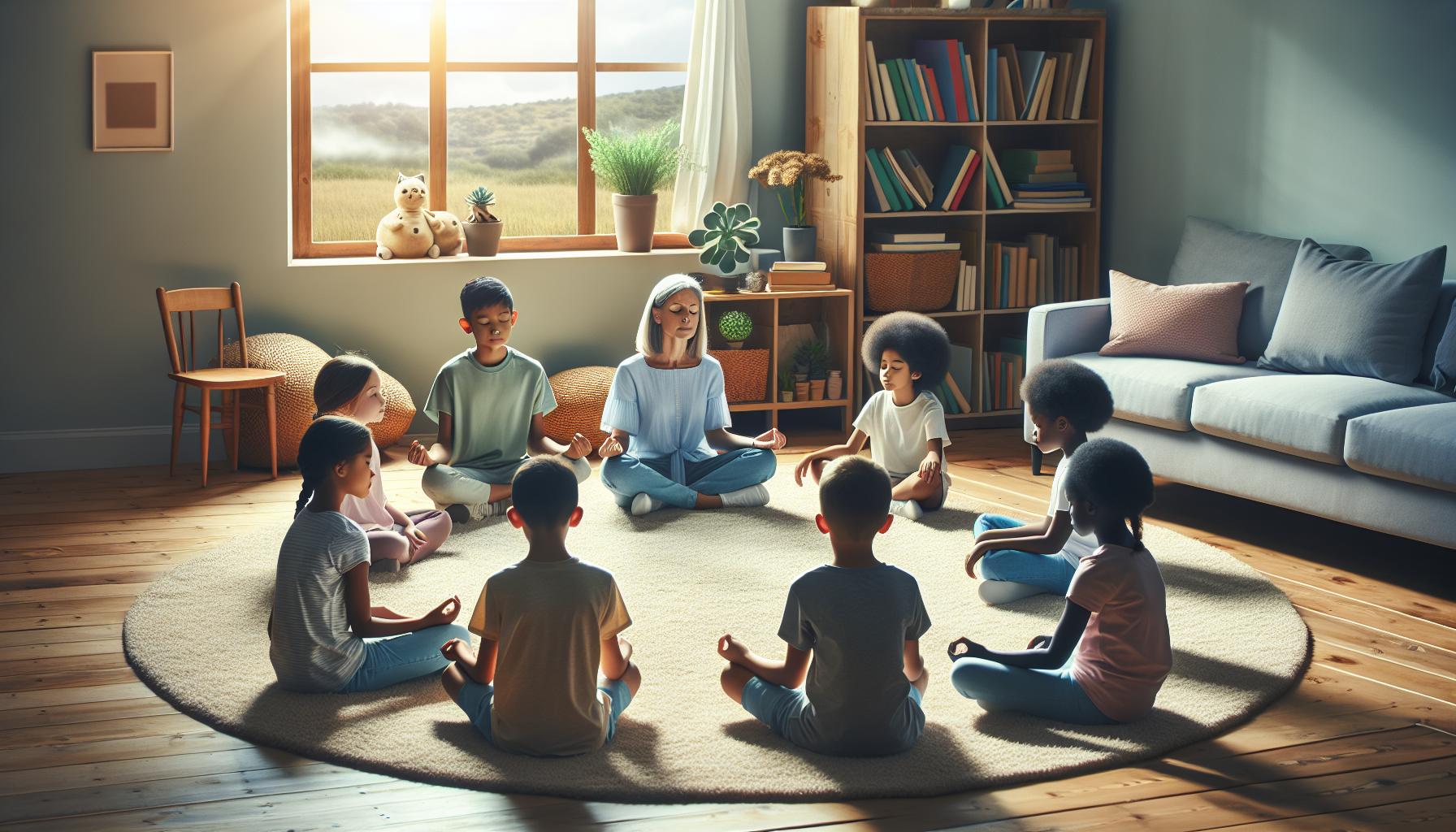
Integrating mindfulness into homeschooling nurtures a balanced and supportive learning environment. It encourages growth in emotional, mental, and relational areas, making the educational journey smoother for families.
Improved Focus And Concentration
Mindfulness encourages students to remain present during lessons. Activities like mindful breathing or guided focus exercises help children redirect their attention, minimizing distractions. With greater concentration, tasks like reading comprehension and math problem-solving become more manageable. How could strengthening focus through simple practices transform your homeschool routine?
Reduced Stress And Anxiety
Stressors in homeschooling, like academic pressures or performance expectations, diminish when mindfulness becomes part of the daily routine. Techniques such as guided meditation or body scans help children manage emotional overload. Parents also find relief, promoting a more peaceful household dynamic. Have you noticed how calm practices impact your child's stress levels?
Enhanced Emotional Regulation
Children develop self-awareness and resilience by practicing mindfulness. Identifying and managing emotions becomes easier through activities like journaling or naming feelings. This leads to fewer disruptions and smoother transitions in the learning process. Would building emotional awareness benefit your child’s self-confidence?
Strengthened Parent-Child Bond
Mindfulness fosters empathy and deeper connections between parents and children. Shared practices like gratitude exercises or reflective discussions create meaningful interactions. These moments strengthen trust and improve communication. How often do you engage in reflective activities together?
Practical Mindfulness Techniques For Homeschooling
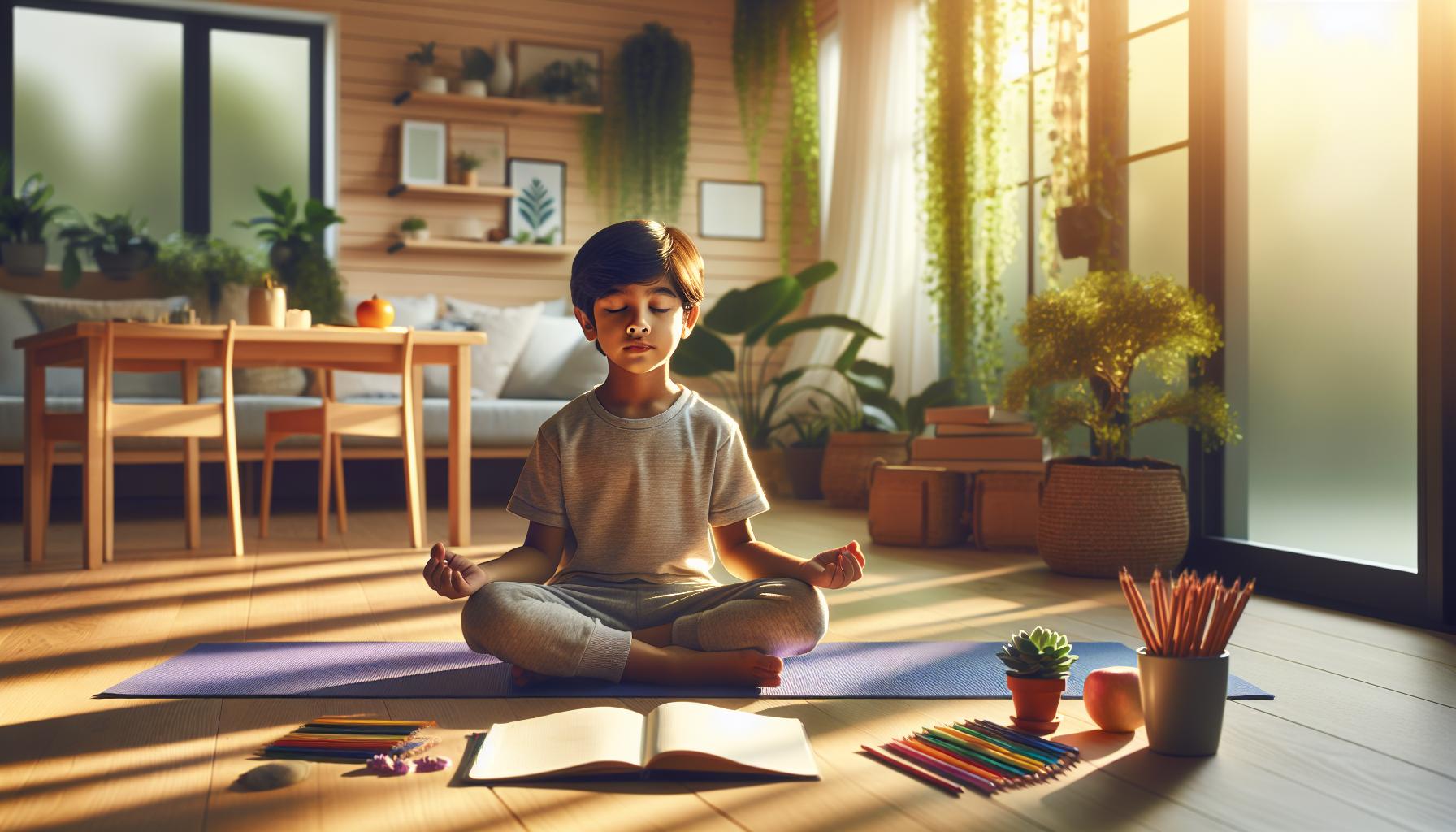
Incorporating mindfulness into homeschooling makes learning more balanced and emotionally supportive. These simple techniques can help families stay present and build a positive learning environment.
Mindful Breathing Exercises
Focusing on the breath helps children calm their minds and improve concentration during lessons. Ask them to take slow, deep breaths, counting to four as they inhale and exhale. Encourage practicing this for 2–3 minutes before starting a challenging subject or when they feel restless. Remember, it's not about perfection—what matters is the effort to focus.
Gratitude Journals
Writing in a gratitude journal fosters an attitude of appreciation and reflection. Set aside a few minutes daily for your child to list three things they’re thankful for. Examples might include finishing a project or spending quality family time. This practice encourages positive thinking and emotional balance over time.
Guided Meditation Practices
Short guided meditations promote relaxation and focus, making learning more engaging. Use age-appropriate audio tracks or apps with calming prompts. Sessions lasting 5–10 minutes can work well for children. Try these before starting homeschool sessions or during breaks to re-center their attention.
Mindful Movement Activities
Incorporating movement supports both physical and mental well-being. Gentle yoga poses or stretching exercises help release tension after long periods of study. Activities like walking mindfully in the backyard, paying attention to each step, or balancing while standing on one leg promote awareness and focus with fun.
Challenges And How To Overcome Them
Homeschooling with mindfulness can be rewarding but comes with its own challenges. Let’s discuss common obstacles and how we can address them effectively.
Staying Consistent With Mindfulness Practice
Consistency in mindfulness can seem difficult, especially with packed homeschooling schedules. Daily routines can easily distract from mindfulness moments. To overcome this, we can integrate short, practical mindfulness exercises throughout the day.
Breathing exercises during breaks or a quick gratitude practice before meals keep mindfulness accessible. Designate specific times for these practices to help reinforce habits. Where interruptions arise, remind yourself that even brief moments of mindfulness offer benefits.
Balancing Academic Rigor With Mindfulness
Balancing schoolwork with mindfulness might feel like a competing priority. Enriching academic goals without overwhelming the child requires thoughtful planning. Incorporating mindfulness doesn't mean reducing academic expectations; it means offering tools to approach tasks calmly.
We can start lessons with short centering techniques like deep breathing or visualizations to promote focus. When academics feel overwhelming for children, pausing for mindfulness activities like stretching can recharge their energy. How can we align learning objectives with mindfulness tools for a smoother rhythm?
Addressing Resistance From Children
Children sometimes resist engaging in mindfulness practices, especially if the concept feels unfamiliar. Pushing back may indicate discomfort or misunderstanding. Instead of forcing participation, we can approach with curiosity and encouragement.
Offer relatable, playful options to introduce mindfulness. Examples like mindful coloring, nature walks, or games involving focused listening make the process enjoyable. Gradually, children might feel more open to trying other practices. How can we make mindfulness a natural, non-intimidating part of their day?
Resources To Support Homeschooling Mindfulness
Access to the right resources makes it easier to incorporate mindfulness into homeschooling. We've gathered useful tools to help families create a calm and supportive learning environment.
Recommended Books And Guides
Books provide practical advice and insights tailored to mindful learning. Titles that explore mindfulness for children and families often include easy-to-follow exercises and relatable examples. Look for guides dedicated to fostering focus, emotional awareness, and patience in homeschooling. Many books also address strategies for parents to cultivate mindfulness, offering a dual benefit for both educators and students. Have you explored books that integrate storytelling with mindfulness exercises?
Online Mindfulness Classes
Online classes connect families with expert instructors who teach practical mindfulness techniques. Many offer guided sessions in meditation, relaxation, and emotional regulation. Some classes cater specifically to children, using games and activities to keep them engaged. Others help parents learn how to integrate mindfulness into their teaching approach. Flexible schedules and recorded sessions make these programs accessible even for busy families. Are there specific areas, like meditation or stress management, your family could benefit from learning more about?
Apps And Tools For Mindfulness
Apps provide a convenient way to practice mindfulness during homeschooling. They feature activities such as breathing exercises, guided meditations, and mood trackers. Some apps include family-friendly features like bedtime meditations or interactive challenges, helping children engage with mindfulness in fun and creative ways. Tracking progress through these tools also encourages consistent practice. Which apps might fit seamlessly into your current homeschool routine?
Conclusion
Homeschooling mindfulness offers a powerful way to create a balanced and nurturing learning environment for our families. By embracing mindfulness, we can support our children’s emotional well-being, strengthen our connection with them, and make the homeschooling journey more fulfilling for everyone involved.
With simple, practical techniques and the right resources, we can seamlessly integrate mindfulness into our daily routines. This approach not only enhances focus and resilience but also fosters a sense of calm and presence that benefits both parents and children. Through mindfulness, we can transform homeschooling into a meaningful experience that nurtures growth, connection, and joy.
Frequently Asked Questions
What is homeschooling mindfulness?
Homeschooling mindfulness combines home education with mindfulness practices to promote awareness, emotional regulation, and focus. It involves techniques like deep breathing, gratitude journaling, and guided meditation to create a calm and focused learning environment for both parents and children.
How does mindfulness benefit homeschooling?
Mindfulness can reduce stress and anxiety, improve focus and emotional regulation, and strengthen the parent-child bond. It fosters a peaceful dynamic at home, making it easier for children to stay engaged and manage emotions during lessons.
What are simple mindfulness practices for homeschooling?
Simple mindfulness practices include deep breathing exercises, gratitude journaling, guided meditation, and mindful movement activities like yoga. These techniques help children stay present and focused while reducing stress.
How can parents introduce mindfulness to children resistant to it?
Introduce mindfulness playfully and gradually. Use short, engaging exercises like breathing breaks or gratitude practices before meals. Make mindfulness feel natural and fun to integrate into daily routines.
How can busy families maintain consistent mindfulness practices?
Include short mindfulness exercises throughout the day, such as a quick breathing break or stretching between lessons. Use apps or tools with guided meditations and reminders to stay consistent without disrupting the schedule.
Are there resources to help families practice homeschooling mindfulness?
Yes, there are many resources, including mindfulness books and guides, online classes tailored to families, and mindfulness apps with exercises and trackers. These tools help families build successful mindfulness habits.
Can mindfulness improve learning outcomes during homeschooling?
Yes, mindfulness helps students develop improved concentration, emotional regulation, and resilience. This makes tasks more manageable and creates a more effective and enjoyable learning experience.
How do parents benefit from mindfulness in homeschooling?
Parents benefit by creating a calm and supportive atmosphere, improving their emotional responses to challenges, and strengthening their connection with their children. This leads to a more rewarding homeschooling journey for everyone.


