


Key Takeaways
- Homeschooling physical education offers flexibility in scheduling and allows tailoring activities to fit a child’s unique fitness interests and goals.
- Engaging in physical activities as a family strengthens bonds, enhances communication, and creates lasting memories.
- Overcoming challenges like limited space, lack of facilities, and reduced peer interaction requires creativity, use of community resources, and exploring virtual options.
- Parents can effectively teach physical education by setting clear objectives, incorporating varied activities, and utilizing online resources like tutorials and fitness apps.
- Outdoor exercises, team sports, and home-based workouts provide diverse opportunities for maintaining fitness and keeping homeschooling physical education fun and engaging.
Physical education is often seen as a cornerstone of a well-rounded education, but how do we approach it when teaching from home? Many of us worry about balancing fitness, skill-building, and fun while keeping our kids engaged. It’s easy to feel unsure about where to start or how to make it effective without access to traditional school resources.
We’re here to remind ourselves that physical education doesn’t have to be complicated to be impactful. From simple activities in the backyard to creative games indoors, there are countless ways to keep kids active and excited. What if we could turn everyday moments into opportunities for movement and learning? Let’s explore how we can make homeschooling physical education both practical and enjoyable for our families.
Benefits Of Homeschooling Physical Education
Homeschooling physical education offers opportunities for personalized learning and family engagement. By adapting activities to fit specific circumstances, we can focus on aspects that matter most to our children.
Flexibility In Scheduling
Homeschooling lets us plan physical education around our family's daily routines. Whether mornings are better for energy-filled activities or afternoons work best for winding down, we decide when to exercise. This flexibility means we can adjust to seasonal changes or spontaneous plans with ease. Are there times when your child seems more active? That’s a great moment to schedule PE.
Tailored Fitness Goals
We can create fitness plans based on each child’s needs and abilities. For instance, a child who enjoys running could practice sprints or long-distance running, while another who prefers swimming could focus on aquatic activities. This individual approach allows children to build confidence and develop skills at their own pace. What specific interests or abilities does your child have that could guide your plans?
Strengthened Family Bonds
Participation in physical activities together helps strengthen our connection with our children. Whether through team sports, hiking, or yoga, we share fun moments while improving our health. These experiences create lasting memories and encourage open communication. When was the last time you joined your child in a physical activity? It might be the perfect way to energize the relationship.
Challenges Of Homeschooling Physical Education
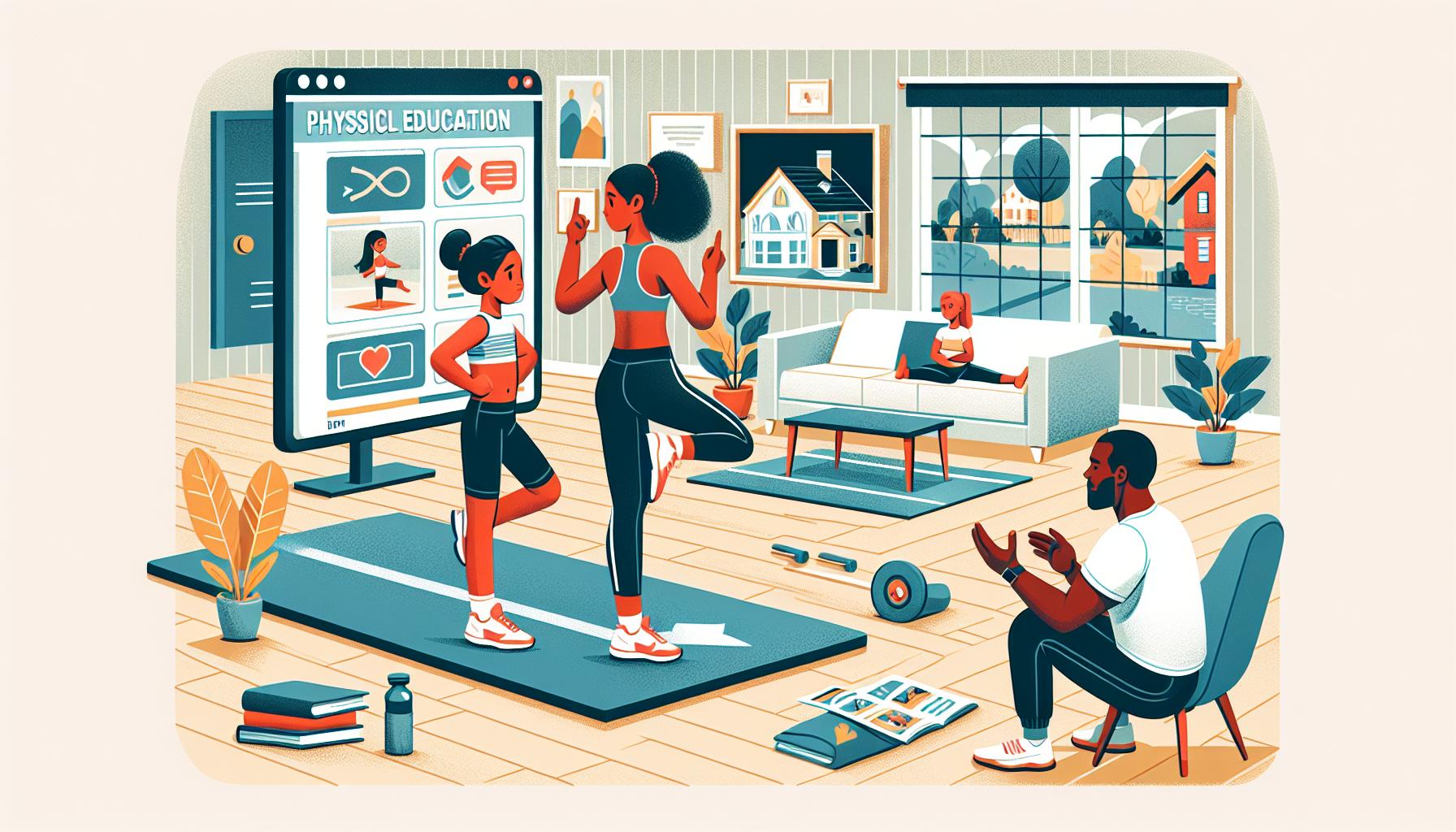
Homeschooling physical education presents obstacles that can feel overwhelming at times. Identifying these hurdles helps create realistic solutions while fostering a love for physical activity.
Limited Access To Facilities
Space and equipment can pose significant challenges. Many homes lack areas large enough for running, jumping, or playing diverse sports. Without access to gymnasiums, swimming pools, or specialized gear, activities like basketball, swimming, or climbing are harder to incorporate. How can we make the most of what we have? By using parks, community centers, or borrowing equipment, it's possible to overcome these barriers.
Creative thinking can also transform small spaces. For example, yoga mats or resistance bands work well for fitness routines, even in compact living areas. Outdoor spaces like backyards can be used for cardio activities like sprinting or agility drills.
Lack Of Peer Interaction
Group activities and team sports offer both social and developmental benefits. Homeschooled children may miss opportunities to collaborate, compete, and build friendships. How do we replicate these experiences? Local sports leagues or group homeschool meetups can foster teamwork and peer bonding.
Virtual classes also provide a way to engage with others. For example, online physical education sessions might include live group workouts or games, letting children interact in real-time. These options supplement family-centered activities and broaden their social environment.
Parental Expertise And Knowledge
Parents often feel unprepared to teach physical education. Many aren’t familiar with developing exercise programs or teaching sports skills. Without formal training, guiding children through proper techniques or injury prevention can seem intimidating. What practical steps make this easier?
Following online tutorials or consulting with certified fitness professionals can help build confidence. Look for child-friendly resources that explain skills simply, such as videos or step-by-step guides for activities like soccer drills or aerobic exercises. Planning manageable routines based on a child’s age and ability level makes the process less overwhelming.
Tips For Effective Homeschooling Physical Education

Homeschooling physical education can be both rewarding and manageable with the right strategies. By focusing on a mix of goals, activities, and digital tools, we can simplify the process and create a fun, engaging environment for learning and fitness.
Setting Clear Objectives
Outlining specific goals provides direction for each session. What skills or outcomes are we aiming to achieve? These could include improving strength, flexibility, or coordination. For instance, younger children might focus on mastering basic motor skills like hopping or balancing, while older kids could work on endurance or agility exercises. Clear objectives help track progress and maintain motivation.
Incorporating Varied Activities
Including a variety of activities keeps kids interested and involved. Mixing indoor and outdoor exercises, such as yoga, stretching, running, or team sports, prevents repetition. Games like "obstacle course challenges" or "dance-offs" add an element of fun, encouraging active participation. Seasonal activities like swimming in summer or snowball games in winter also create unique learning moments.
Utilizing Online Resources
Digital tools offer practical support for teaching physical education at home. We can explore online exercise tutorials, virtual fitness classes, or instructional videos tailored to children’s fitness levels. Resources featuring interactive games or step-by-step fitness plans make learning enjoyable. Some platforms even include tracking tools to monitor progress and set new challenges.
Example Activities For Homeschooling Physical Education
Physical education at home can be both effective and enjoyable with intentional activity planning. By combining movement with creativity, we can make fitness engaging for children of all ages.
Outdoor Exercises
Outdoor activities encourage physical movement and fresh air. Walking or jogging in the neighborhood is simple yet effective for cardiovascular health. Hikes on local trails offer a chance to explore nature while building endurance. For younger children, games like tag or hopscotch keep them active and entertained.
Adding equipment like jump ropes improves agility and coordination, while challenges such as obstacle courses can combine strength and problem-solving. If space allows, activities like biking or roller-skating add variety to outdoor fitness routines.
Team Sports At Community Centers
Organized sports foster teamwork and social interaction. Community centers often offer spaces for basketball, soccer, or volleyball. These activities teach strategy, improve motor skills, and build friendships.
Parents can organize small informal games with local homeschooling groups to fit flexible schedules. Sports like kickball or dodgeball allow participation without intensive training and can accommodate mixed age groups. Encouraging positive interactions helps children develop sportsmanship and cooperation.
Home-Based Workouts
Indoor exercises provide an adaptable option when outdoor spaces or facilities aren't accessible. Bodyweight exercises like push-ups, sit-ups, and planks suit small areas and support muscle development. Yoga programs improve flexibility and concentration, offering a calming end to active days.
Interactive video tutorials make aerobic routines fun, with guided exercises like dance classes or beginner-level martial arts. For younger kids, scavenger hunts or hide-and-seek games inject energy into daily movements. Adjusting activities to match energy levels keeps workouts appealing and consistent.
Conclusion
Homeschooling physical education offers a unique opportunity to create a personalized, engaging, and flexible approach to fitness and skill development. By focusing on creativity and adaptability, we can turn even the smallest spaces or simplest activities into meaningful learning experiences.
While challenges like limited resources or peer interaction may arise, there are plenty of practical solutions to ensure our children stay active and connected. With thoughtful planning and a willingness to explore new ideas, we can make physical education an enjoyable part of our homeschooling journey.
Ultimately, the goal is to inspire lifelong healthy habits, build confidence, and strengthen family connections through shared physical activities. By embracing this approach, we’re not just teaching physical education—we’re fostering a love for movement and well-being that can last a lifetime.
Frequently Asked Questions
What is homeschooling physical education?
Homeschooling physical education involves teaching children fitness and physical activities at home. It focuses on building motor skills, fostering fitness habits, and encouraging active play through planned exercises, games, and creative activities.
How can I start homeschooling physical education?
Begin by setting fitness and skill-building goals based on your child’s abilities and interests. Incorporate simple physical activities, explore online tutorials, and create a flexible schedule that fits your family’s routine.
What are the benefits of homeschooling physical education?
Homeschooling physical education allows for personalized learning, flexible schedules, and the opportunity to bond as a family. It helps tailor physical exercises to your child’s interests, fostering self-confidence and skill development.
What activities are effective for homeschooling physical education?
Effective activities include outdoor exercises like walking and hiking, interactive games like tag, and home-based workouts like yoga or bodyweight exercises. Community sports leagues and virtual fitness classes can also enhance the experience.
How can I make physical education fun for my child?
Incorporate games, mix activities frequently, and participate as a family. Try creative exercises like obstacle courses or dance routines and reward achievements to keep them motivated and engaged.
How do I manage space limitations for physical activities at home?
Utilize small spaces creatively with bodyweight exercises, yoga, or stretching routines. You can also visit local parks or community centers for more space and varied activities.
How can I address the lack of peer interaction in homeschooling physical education?
Join local sports teams, enroll in community programs, or participate in virtual fitness classes to help your child engage with peers and develop teamwork skills.
What if I’m not confident in teaching physical education?
Parents can follow beginner-friendly tutorials, consult online resources, or seek advice from fitness professionals. Start simple and grow your expertise over time as you engage with your child.
What are some tips for planning homeschooling physical education effectively?
Set clear session goals, diversify activities to maintain interest, and use digital tools like instructional videos. Ensure activities are age-appropriate and focus on both fitness and fun.
Can homeschooling physical education include family activities?
Yes! Family activities like hiking, playing sports, or even dancing together strengthen bonds and make physical education enjoyable for everyone. It fosters open communication and creates lasting memories.


