


Key Takeaways
- Homeschooling road trips blend education with adventure, offering hands-on opportunities to explore history, science, geography, and culture.
- Visiting educational destinations such as museums, national parks, and historical landmarks brings academic subjects to life in interactive ways.
- These trips strengthen family bonds through shared experiences and foster teamwork, communication, and decision-making skills.
- Planning is crucial—choosing educational destinations, creating flexible lesson plans, and budgeting effectively ensure a smooth and enriching journey.
- Leveraging tools like educational apps, portable materials, and community networks enhances learning while staying organized on the road.
- Flexibility and preparation help address challenges such as balancing education with leisure, managing time, and overcoming logistical hurdles.
Who says learning has to stay within four walls? Homeschooling gives us the freedom to turn the open road into a classroom, blending education with adventure. Road trips offer a hands-on way to explore history, science, geography, and culture while creating memories that last a lifetime. It’s an opportunity to make lessons come alive in ways textbooks simply can’t.
Have you ever wondered how to balance learning with the excitement of travel? Whether it’s visiting historical landmarks, exploring natural wonders, or diving into local traditions, road trips can inspire curiosity and deepen understanding. Let’s explore how we can make the most of these journeys, keeping both education and fun at the heart of every mile.
Benefits Of Homeschooling Road Trips
Homeschooling road trips blend education with real-world experiences, offering a dynamic way to learn. They create opportunities to teach in an engaging, flexible environment.
Combining Education And Adventure
Road trips naturally combine learning with the excitement of travel. Subjects like history, geography, and biology come alive when children can explore landmarks, museums, and natural habitats. For example, visiting a Civil War battlefield adds depth to history lessons or observing diverse wildlife enriches biology studies. How can we make education more interactive than by experiencing it firsthand?
Activities like journaling daily observations or solving math problems related to travel distances contribute to academic growth. Incorporating games alongside lessons keeps the process enjoyable and rewarding.
Strengthening Family Bonds
Traveling and learning together strengthen relationships through shared discoveries and experiences. Discussing topics during travel or working together on activities fosters communication. For instance, planning routes together teaches decision-making while teamwork during group activities enhances understanding between family members.
By taking breaks to share meals at scenic spots or discuss the day’s highlights, we create memories that last a lifetime. How often do we get chances to learn and connect at the same time?
Exploring New Cultures And Environments
Homeschooling road trips immerse us in different cultural and physical environments. Exploring local traditions, regional cuisines, or historical sites teaches valuable lessons about diversity and adaptation. Visiting a Native American reservation, for example, could spark discussions on history and art, while trips to mountainous areas might explore geology or weather patterns.
When we step out of our everyday surroundings, we gain fresh perspectives. What better way to teach children about cultural awareness and environmental appreciation?
Planning Your Homeschooling Road Trip
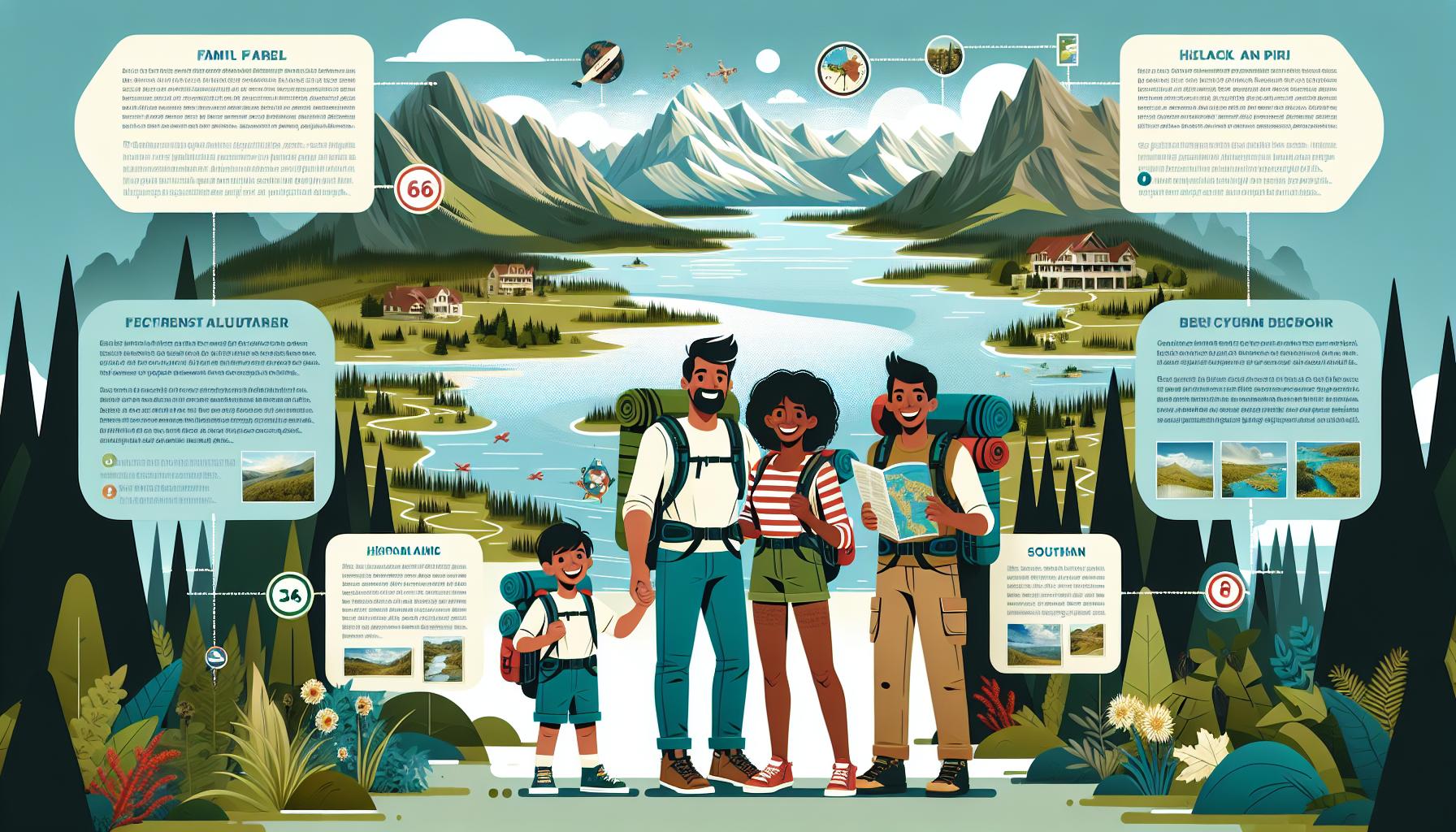
Homeschooling road trips combine learning with adventure, but preparation is critical for success. Organizing destinations, lessons, and finances simplifies the process and keeps the experience enriching for the entire family.
Choosing Destinations With Educational Value
Selecting locations that enhance learning experiences makes the trip more meaningful. Think about places that align with subjects you're teaching. Would your children benefit from visiting national parks to explore ecosystems or museums to dive into history? Destinations like historical landmarks, science centers, or cultural heritage sites offer exciting ways to supplement lessons.
Research specific attractions within each area. For instance, a trip to Washington, D.C. might focus on government and history, while Yosemite National Park provides opportunities for geology and biology lessons. Including hands-on experiences at these locations sparks curiosity and deepens understanding.
Creating A Flexible Curriculum On The Go
Balancing a curriculum with the spontaneity of travel creates a rewarding educational framework. Create lesson plans that integrate activities around your planned stops. For example, use field guides for wildlife observation or explore math by calculating distances and fuel costs. Let these activities enhance academic subjects without feeling rigid.
Prepare portable materials like workbooks, tablets, and journals. This way, children can document discoveries, write reflections, or complete assignments during downtime. Since travel brings unexpected changes, keep schedules adaptable to maintain a healthy mix of structure and freedom.
Budgeting For Your Journey
Effective budgeting prevents stress during your trip. Start by calculating major expenses such as gas, accommodations, and entry fees. Tools like travel apps or spreadsheets simplify tracking these costs. Think creatively to save money, like packing meals or opting for free attractions.
Include room for unexpected expenses. Emergencies or spontaneous opportunities can impact your plans, so planning financially minimizes disruptions. Engaging the kids in budgeting teaches real-world skills. Assign them tasks like comparing costs for activities or managing part of the meal budget, creating practical learning outside the classroom.
Tools And Resources For Homeschooling On The Road
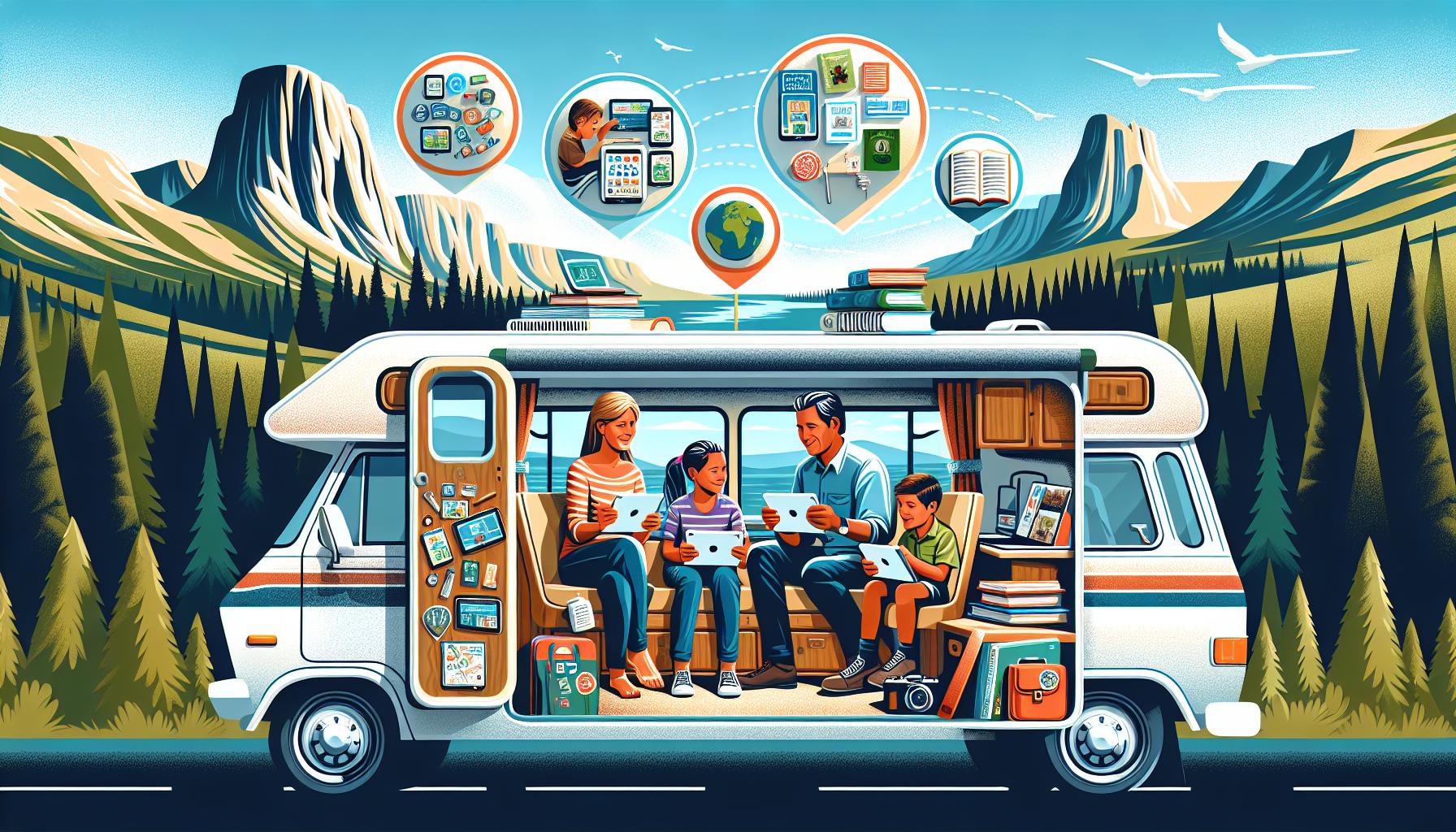
Homeschooling during road trips combines education with adventure, but staying organized can feel challenging. To simplify, we’ve compiled resources that make learning effective and portable.
Educational Apps And Digital Tools
Technology equips us to integrate interactive learning on the go. Apps for online courses, virtual museums, and educational games are perfect companions for long drives or downtime. For example, language-learning apps support cultural exploration when visiting global-themed destinations. Digital tools like spreadsheets help track progress, while apps with offline access ensure flexibility in remote areas. What types of digital resources feel indispensable for your family’s learning journey?
Recommended Books And Materials
Portable books and hands-on materials add depth to road-schooling. Field guides for plants, animals, or stars complement science lessons outdoors. Travel-sized workbooks for math or grammar maintain consistency in core subjects. Journals encourage creative writing and reflection after visiting historical or inspiring locations. Do you find your children learn best through written notes, drawings, or storytelling?
Community Support And Networking
Connecting with other homeschooling families provides ideas and encouragement. Online groups or local meetups along your route offer opportunities to share experiences and resources. Some groups coordinate joint activities or co-op lessons, adding variety and interaction. Have you explored community networks to enhance your road-schooling experience, or are you looking to get started?
Challenges Of Homeschooling Road Trips
Homeschooling road trips offer incredible opportunities, but they also come with challenges that require careful planning and adaptability. Finding the right balance between adventure and education can feel overwhelming but is achievable with thoughtful strategies.
Balancing Learning And Leisure
Incorporating both education and relaxation into daily schedules can be tricky. The excitement of new places often competes with the need for focused study time. For instance, kids might prefer exploring a nature trail over completing worksheets. To address this, we can integrate learning into the fun. A hike can include lessons on ecology, geography, or physical health.
What activities work best for your family while keeping kids engaged? Including flexible plans allows spontaneous learning opportunities, such as observing wildlife or studying local art, while ensuring that core subjects are covered.
Managing Time Effectively
Keeping track of educational goals while accounting for travel time demands practical time management. Long drives, meals, and sightseeing can disrupt routine study schedules, making consistency a challenge. Setting clear daily objectives could make learning manageable. For example, dedicating mornings to structured lessons and afternoons to exploration creates a rhythm.
Do you find it challenging to fit everything into your days? Portable tools like journals, tablets, or workbooks keep learning accessible even during downtime, whether in a car, cafe, or quiet park. Maintaining realistic expectations helps reduce unnecessary stress.
Overcoming Logistical Issues
Travel involves unpredictable variables like delays, limited space, or insufficient resources. These factors can disrupt lessons or create frustration. Pre-packing essential educational materials such as laptops, chargers, or hands-on supplies helps minimize disruptions. Choosing family-friendly accommodations with internet access can also support studying.
What’s the best way to stay prepared in unexpected situations? Flexibility is essential, whether rerouting due to bad weather or adjusting lesson plans because of a missed stop. Creating a backup plan can save valuable time and energy, helping keep the trip enjoyable for everyone.
Tips For A Successful Homeschooling Road Trip
Planning a homeschooling road trip offers endless opportunities for education and adventure. To create a seamless experience, focus on organization, interactive learning, and adaptability.
Staying Organized With A Travel Planner
A detailed travel planner makes managing lessons and itineraries more efficient. Break your trip into segments, assigning educational themes to different locations. For example, focus on geology during visits to caves or cliffs, and shift to literature when stopping at authors’ birthplaces.
Include daily schedules for both structured and unplanned activities. Set specific times for lessons, meals, and exploration to avoid chaos. Dedicate space in your planner for recording observations, keeping track of assignments, and logging important dates like museum hours or park entry times.
Use digital tools or printable templates to keep everything easily accessible, whether you prefer apps or a physical journal. Does your current approach to planning give you clarity or cause unnecessary stress?
Encouraging Hands-On Learning Opportunities
Hands-on experiences make lessons more impactful. Engage children with activities that connect deeply to the location. For instance, conduct simple experiments in a forest to discuss ecosystems or challenge them to identify rock types while hiking.
Incorporate local history through creative projects like sketching historical landmarks or building small models. Many places offer interactive exhibits or workshops—are you taking full advantage of these to enhance their learning?
Involve children in making decisions, such as mapping routes or picking points of interest. This fosters critical thinking and turns the journey into part of the learning process. How often do we invite kids to lead and learn simultaneously?
Preparing For Unexpected Situations
Preparation minimizes disruptions when challenges arise. Pack versatile educational materials like compact textbooks, journals, and puzzles that work anywhere. Preload videos and digital courses to use in offline situations.
Discuss contingency plans with children. What happens if bad weather cancels an outdoor activity? Shifting focus to indoor projects, such as reading a relevant book or working on a craft, keeps progress steady.
Keep essential supplies like snacks, first-aid kits, and power banks ready. Smooth transitions through unforeseen moments make the trip more enjoyable. Have you considered how flexibility supports both education and adventure?
Conclusion
Homeschooling road trips offer a unique way to combine education with adventure. By stepping outside traditional learning environments, we can inspire curiosity, foster critical thinking, and create unforgettable experiences. With thoughtful planning, adaptability, and the right tools, these journeys become a powerful way to strengthen family bonds while exploring the world together.
The road may bring challenges, but with preparation and a spirit of exploration, every mile can be an opportunity to learn and grow. Let’s embrace the freedom to turn travel into a classroom and make every journey a meaningful one.
Frequently Asked Questions
1. What are the benefits of homeschooling through road trips?
Homeschooling through road trips provides hands-on learning experiences, making subjects like history, science, and geography come alive. It fosters curiosity, enhances adaptability, and creates lasting family memories while blending education with real-world exploration.
2. How can road trips enhance education?
Road trips offer opportunities to visit historical sites, natural wonders, and cultural landmarks, making lessons more engaging and interactive. Children can learn through real-world observations, journaling, and solving practical problems during travel.
3. How do you balance education and adventure during a road trip?
Balancing education and adventure requires planning flexible lesson plans, incorporating learning into activities like hikes, and setting clear daily objectives. Allow room for spontaneous learning while keeping a structured routine.
4. What are good examples of educational activities on road trips?
Examples include visiting museums for history lessons, observing wildlife for biology studies, conducting nature experiments, and solving math problems based on travel distances and budgets. Journaling can also enhance writing skills.
5. How can road trips strengthen family bonds?
Traveling together fosters communication, teamwork, and shared discoveries. Exploring as a family creates memorable experiences while improving relationships through collaborative learning and discussions.
6. How do you plan a successful homeschooling road trip?
Successful planning involves choosing educational destinations, organizing a flexible curriculum, packing essential learning materials, and budgeting carefully. Utilize tools like travel planners and educational apps to stay organized.
7. What tools and resources are helpful for homeschooling on the road?
Educational apps, portable books, field guides, travel-sized workbooks, and online courses are essential. Digital tools like language-learning apps and nature identification apps enhance interactive learning.
8. What are the challenges of homeschooling during road trips?
Challenges include balancing adventure with education, managing time, and handling logistical issues. Staying flexible, setting daily objectives, and pre-packing supplies can help overcome these obstacles.
9. How do you stick to a homeschool curriculum while traveling?
Integrate lessons into your travel itinerary, break the trip into educational themes, and use portable materials. Be adaptable to spontaneous learning opportunities while setting achievable daily goals.
10. How can children be involved in travel planning?
Involve children in budgeting, researching destinations, and choosing activities. It develops their decision-making skills, critical thinking, and responsibility while making the experience more meaningful.
11. What are budgeting tips for homeschooling road trips?
Track major expenses like gas, lodging, and meals. Engage kids in budgeting to teach financial skills, and look for free or low-cost educational stops like national parks or state museums.
12. Can homeschooling road trips teach life skills?
Yes, road trips teach life skills like budgeting, problem-solving, adaptability, time management, and cultural awareness. It’s an opportunity for hands-on learning beyond academics.
13. What should you pack for a homeschooling road trip?
Pack essential educational materials such as journals, workbooks, portable electronics with learning apps, and versatile tools like flashcards. Include outdoor gear for nature-based learning activities.
14. Are road trips suitable for all ages in homeschooling?
Yes, road trips can be tailored to suit all ages. Younger children can enjoy hands-on learning activities, while older kids can benefit from in-depth discussions and self-directed research.
15. How can you prepare for unexpected situations during a road trip?
Prepare contingency plans and pack versatile educational materials. Discuss alternative activities with children to maintain learning progress in case of unexpected delays or changes in plans.


