

Ever found yourself in a cake conundrum? We've all been there! The party's coming up, and you're wondering just how early you can get that cake in the oven. It's a common question that plagues bakers everywhere, from novices to pros.
We'll dive into the sweet science of cake baking and storage, exploring the perfect timing to ensure your party centerpiece is fresh and delicious. Remember that time Aunt Betty baked her famous chocolate cake a week before the family reunion? Let's just say it wasn't exactly a crowd-pleaser! But don't worry, we've got your back. Stick with us, and we'll help you avoid any cake catastrophes at your next shindig.
Key Takeaways
- Cake freshness depends on ingredients, storage method, temperature, and frosting type
- Different cakes have varying shelf lives: buttercream cakes last 3-4 days, while fruit cakes can last up to a month
- Bake butter cakes 2-3 days before the party, and sponge cakes 1-2 days in advance
- Proper cooling and storage techniques, including freezing, can help preserve cake freshness
- Time your cake assembly and decoration carefully, adding final touches close to serving time for maximum freshness
Understanding Cake Freshness and Shelf Life
Cake freshness and shelf life are crucial factors in determining when to bake for a party. Let's dive into the key elements that affect how long your cake will stay delicious and presentable.
Factors Affecting Cake Longevity
Several aspects influence how long a cake remains fresh:
- Ingredients: Cakes with fresh fruit or dairy-based frostings have shorter shelf lives.
- Storage method: Proper storage in an airtight container extends freshness.
- Room temperature: Cooler temperatures slow down the staling process.
- Moisture content: Moist cakes tend to stay fresh longer than dry ones.
- Frosting type: Some frostings act as a barrier, preserving the cake's moisture.
Remember the time Aunt Sally brought a week-old cake to the potluck? It was as dry as the Sahara! Let's avoid that cake-tastrophe, shall we?
Ideal Timeframes for Different Cake Types
Different cakes have varying shelf lives. Here's a handy guide:
- Buttercream-frosted cakes: 3-4 days at room temperature, 1 week refrigerated
- Ganache or fondant-covered cakes: 4-5 days at room temperature
- Fruit cakes: 1 month at room temperature, 6 months refrigerated
- Chiffon or sponge cakes: 1-2 days at room temperature
- Cheesecakes: 5-7 days refrigerated
Ever wondered why fruit cakes seem to last forever? It's like they've found the fountain of youth! What's your go-to cake for make-ahead baking?
Planning Your Cake Baking Schedule
Timing is everything when it comes to baking a cake for a party. Let's break down the key elements to consider when planning your cake baking schedule.
Determining the Optimal Baking Time
The ideal time to bake your cake depends on the type of cake and your storage options. Here's a quick guide:
- Butter cakes: Bake 2-3 days before the party
- Sponge cakes: Bake 1-2 days in advance
- Fruit cakes: Can be baked up to a month ahead
- Cheesecakes: Best made 1-2 days before serving
Remember, fresher is usually better. But don't stress if you need to bake early - proper storage can keep your cake tasting great for days.
Ever tried to frost a warm cake? It's like trying to spread butter on hot toast - messy and frustrating! That's why cooling time is crucial. Allow at least 2-3 hours for your cake to cool completely before frosting.
Considering Frosting and Decoration Time
Frosting and decorating can be time-consuming, especially for elaborate designs. Here's a rough timeline:
- Simple frosting: 30 minutes to 1 hour
- Basic decorations: 1-2 hours
- Complex designs: 3-4 hours or more
Pro tip: Frost your cake the day before the party. This gives the frosting time to set, making it easier to add final touches on the day of the event.
What's your go-to method for timing your cake baking? Do you prefer to bake well in advance or are you a last-minute baker? Share your experiences in the comments!
Tips for Baking Cakes in Advance
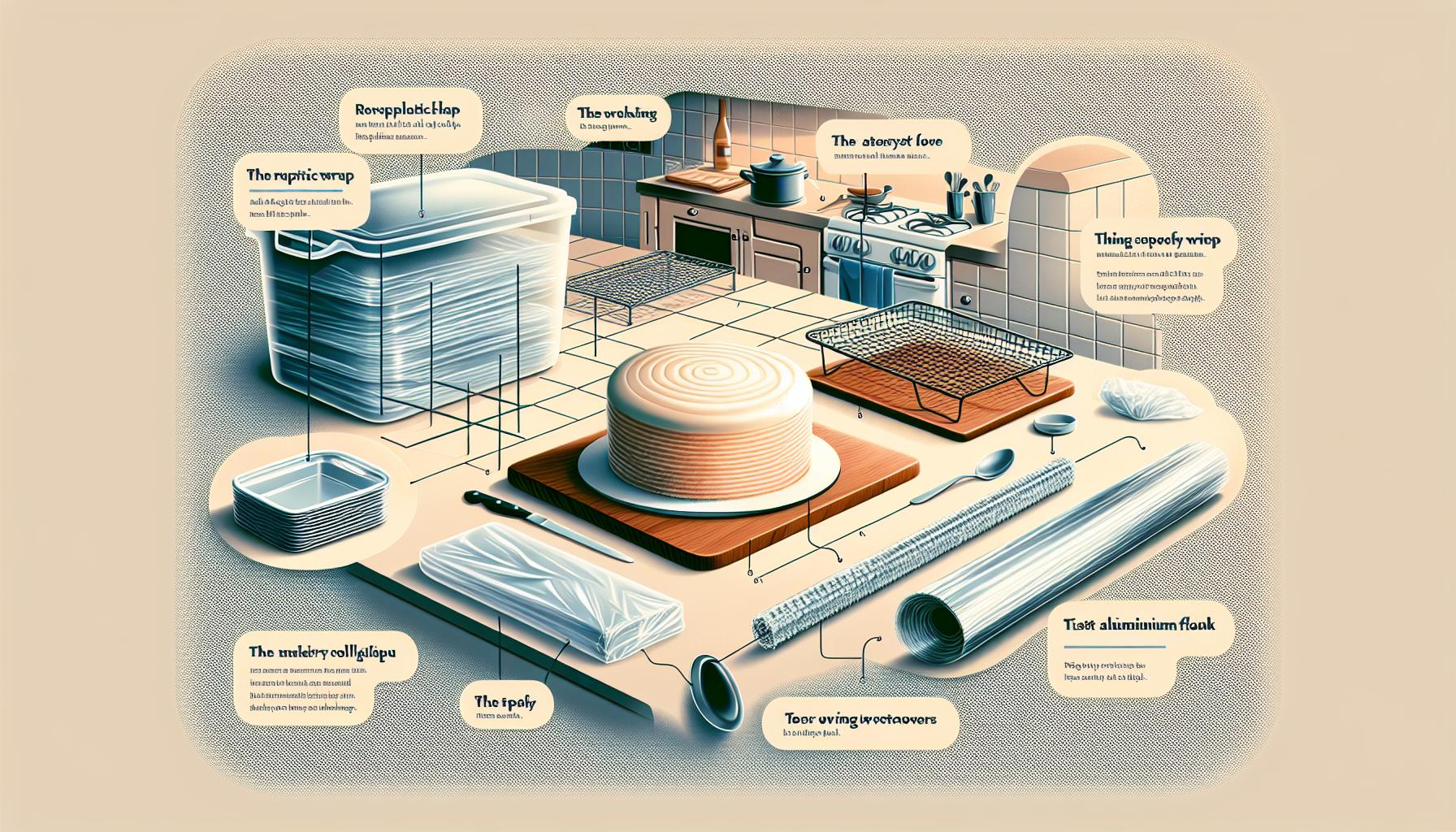
Baking cakes ahead of time can be a lifesaver for busy party planners. We've got some expert tips to help you prepare your cakes in advance without compromising on taste or quality.
Proper Cooling and Storage Techniques
Cooling and storing your cake correctly is crucial for maintaining its freshness. Let's start with cooling - it's like giving your cake a little spa treatment after its hot oven session. Place your cake on a wire rack and let it chill out for 2-3 hours. This prevents condensation from forming and making your cake soggy.
Once cooled, wrap your cake tightly in plastic wrap or aluminum foil. It's like tucking your cake into bed - you want it snug and protected from air exposure. For added protection, pop it into an airtight container. Store it in a cool, dry place away from direct sunlight and strong odors.
Remember, different cakes have different shelf lives. A butter cake might last 2-3 days at room temperature, while a fruit cake can hang out for weeks. Keep an eye on your cake and use your best judgment. If it starts looking a bit sad or smelling off, it's probably time to say goodbye.
Freezing Cakes: Dos and Don'ts
Freezing cakes is like hitting the pause button on their freshness clock. It's a great way to prep way in advance, but there are some dos and don'ts to keep in mind.
Do:
- Cool your cake completely before freezing
- Wrap the cake tightly in plastic wrap, then aluminum foil
- Label the cake with the date and type
- Freeze for up to 3 months for best quality
Don't:
- Freeze a frosted cake (the texture can get weird)
- Thaw and refreeze multiple times
- Leave your cake in the freezer for more than 6 months
When you're ready to use your frozen cake, thaw it in the refrigerator overnight. It's like waking up your cake gently instead of throwing cold water on it. Once thawed, let it come to room temperature before frosting or serving.
Ever tried to frost a frozen cake? It's like trying to spread butter on an ice cube! Learn from our mistakes and save yourself the frustration.
Remember, freezing is great for most cakes, but some delicate ones like angel food or chiffon cakes might not fare as well. It's all about knowing your cake's personality and treating it right.
Preserving Cake Freshness
Keeping your cake fresh is key to delivering a delightful treat for your party guests. Let's explore the best ways to maintain your cake's taste and texture, whether you're storing it for a few days or longer.
Best Practices for Short-Term Storage
For short-term storage, wrap your cooled cake tightly in plastic wrap or place it in an airtight container. This prevents air exposure and keeps moisture locked in. Store the cake in a cool, dry place away from direct sunlight. If you've frosted your cake, use a cake dome or large container to protect the decorations. Remember, different cakes have varying shelf lives. A butter cake stays fresh for 2-3 days at room temperature, while a fruit cake can last up to a week. Ever had a cake turn into a science experiment in your kitchen? We've been there too! That's why we always recommend checking your cake daily for any signs of spoilage.
Long-Term Storage Solutions
For longer storage, freezing is your best bet. Wrap unfrosted cake layers individually in plastic wrap, then in aluminum foil. Place them in a freezer bag, squeezing out excess air. Frozen cakes can last up to 3 months. When you're ready to use them, thaw in the refrigerator overnight. Don't freeze frosted cakes - the texture just won't be the same. Have you ever tried to frost a frozen cake? It's like trying to spread butter on an ice cube! Trust us, patience pays off when it comes to thawing. By following these storage tips, you'll have a party-ready cake that tastes as if it just came out of the oven. Who's ready to impress their guests with a perfectly preserved cake?
Timing Your Cake Assembly and Decoration
Assembling and decorating your cake at the right time is crucial for a show-stopping party dessert. Let's dive into the best practices for adding those final touches to your cake.
When to Add Frosting and Fillings
Frosting and filling your cake too early can lead to a soggy disaster. We recommend adding these elements no more than 24 hours before serving. This timing helps maintain the cake's texture while allowing flavors to meld. For buttercream frosting, apply it when the cake is completely cool, ideally the day before the event. If you're using cream cheese frosting, wait until 2-3 hours before serving to prevent it from becoming too soft.
Remember the "Great Frosting Fiasco of '98"? Aunt Martha frosted her famous red velvet cake a week in advance, and by party time, it looked like a melted snowman. Don't be like Aunt Martha!
Last-Minute Touches for Maximum Freshness
Adding final decorations close to serving time keeps your cake looking its best. Here's a quick guide:
- Fresh fruit toppings: Add 1-2 hours before serving
- Whipped cream decorations: Pipe on 30 minutes before the event
- Edible flowers: Place 15-30 minutes before presentation
- Powdered sugar dusting: Sprinkle just before serving
Have you ever wondered why some cakes look picture-perfect while others seem a bit droopy? It's all in the timing!
For a fun twist, try the "decorate-as-you-go" method. Set up a simple frosted cake with bowls of toppings nearby. Let guests add their own sprinkles, candies, or fruit pieces. It's a great icebreaker and guarantees a one-of-a-kind dessert!
Conclusion
Baking the perfect cake for your party doesn't have to be a last-minute rush. With the right planning and techniques, you can create a showstopper that's fresh and delicious. Remember to consider your cake type when deciding how far in advance to bake. Proper storage is key to maintaining freshness, whether you're keeping your cake at room temperature or freezing it for later use.
By following our guidelines for baking, cooling, and decorating, you'll be well-prepared to serve a mouthwatering cake that'll have your guests asking for seconds. Happy baking!
Frequently Asked Questions
How far in advance can I bake a cake for a party?
It depends on the type of cake. Butter cakes can be baked 2-3 days before, sponge cakes 1-2 days in advance, fruit cakes up to a month ahead, and cheesecakes 1-2 days before serving. Always consider the cake's ingredients and storage method when planning your baking schedule.
How long does it take for a cake to cool completely?
Allow at least 2-3 hours for a cake to cool completely before frosting. Cooling is crucial for maintaining the cake's structure and preventing the frosting from melting. For best results, cool the cake on a wire rack to allow air circulation.
Can I freeze a cake to make it last longer?
Yes, you can freeze unfrosted cakes for up to 3 months. Ensure the cake is completely cooled, then wrap it tightly in plastic wrap and aluminum foil before freezing. Thaw frozen cakes in the refrigerator overnight. Avoid freezing frosted cakes as it can affect texture.
How long can I store a cake at room temperature?
The storage time varies by cake type. Butter cakes typically last 2-3 days at room temperature, while fruit cakes can last up to a week. Always store cakes in a cool, dry place and cover them tightly with plastic wrap or place them in an airtight container.
When should I frost and decorate my cake?
Frost your cake no more than 24 hours before serving to maintain the best texture and flavor. Simple frosting takes 30 minutes to 1 hour, while complex designs may require several hours. Add delicate decorations like fresh fruit or whipped cream just before serving.
How can I keep my cake fresh for longer?
To maintain freshness, cool the cake completely, then wrap it tightly in plastic wrap or store it in an airtight container. For longer storage, freeze unfrosted cake layers. Proper storage prevents air exposure and maintains moisture, ensuring your cake stays fresh for your event.


