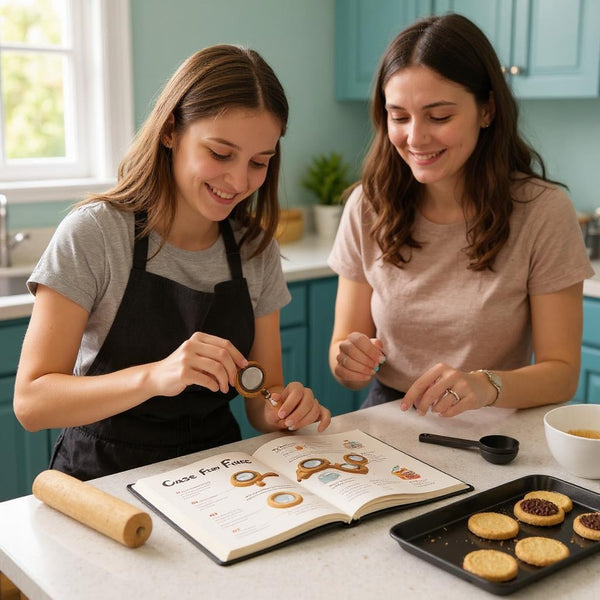
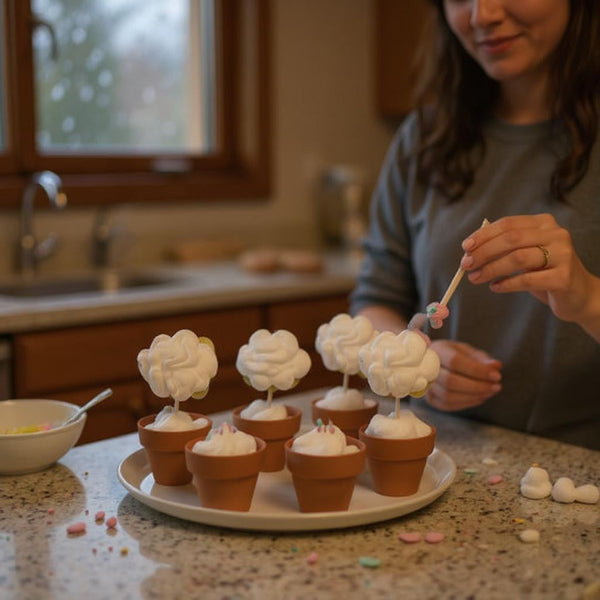
Are you homeschooling your children and looking for a fun and educational activity to incorporate into your curriculum? Why not try baking? Baking not only encourages creativity and improves kitchen skills, but it also has numerous educational benefits. In this ultimate guide, we will explore the basics of baking, how to incorporate it into your homeschool curriculum, different types of baking, and exciting baking projects for all age groups. So, grab your aprons and let's embark on a delicious homeschool baking adventure!
Understanding the Basics of Baking
Baking is not just about measuring ingredients and following recipes; it is a science and an art that combines precise measurements with culinary creativity. By understanding the basics of baking, you can develop a strong foundation for your homeschool baking adventures.
The Importance of Baking in Homeschooling
Baking is more than just a tasty treat; it offers numerous benefits for homeschoolers. Firstly, it helps develop essential life skills such as teamwork, problem-solving, and time management. Additionally, baking provides an opportunity for hands-on learning, where children can explore concepts such as math (measuring ingredients), science (observing chemical reactions), and even history (learning about the origins of different recipes).
Essential Baking Tools and Ingredients
Before diving into the world of baking, it's important to have the right tools and ingredients on hand. Some essential baking tools include measuring cups and spoons, mixing bowls, a whisk or electric mixer, baking pans, and a rolling pin. As for ingredients, always have flour, sugar, eggs, butter, and baking powder readily available in your pantry.
Safety Measures in Baking
Safety should always be a top priority, especially when children are involved in the kitchen. Teach your homeschoolers the importance of proper hand washing, wearing oven mitts when handling hot pans, and using caution around sharp objects such as knives or graters. Make sure to supervise younger children closely to avoid accidents.
Now that you have a grasp of the basics, let's delve into the fascinating world of baking techniques. One technique that can elevate your baked goods to the next level is the creaming method. This method involves beating butter and sugar together until light and fluffy, creating a tender and moist texture in your finished product. It's a fundamental technique used in making cakes, cookies, and even buttercream frosting.
Another technique worth exploring is the art of kneading. Kneading is the process of working dough with your hands to develop gluten, which gives bread its structure and chewiness. This rhythmic motion of folding, pressing, and turning the dough not only strengthens the gluten but also helps distribute the yeast evenly, resulting in a well-risen loaf of bread.
When it comes to flavor, the world of baking offers endless possibilities. Experimenting with different extracts, spices, and mix-ins can take your creations from ordinary to extraordinary. Consider adding a touch of vanilla extract to your chocolate chip cookies for a subtle hint of sweetness, or sprinkle some cinnamon and nutmeg into your apple pie filling to create a warm and comforting aroma.
Lastly, don't forget about the importance of presentation. Decorating your baked goods can be a fun and creative way to showcase your skills. Whether it's piping intricate designs with buttercream frosting, dusting powdered sugar over a freshly baked cake, or arranging fresh fruits on top of a tart, the possibilities for artistic expression are endless.
Incorporating Baking into Your Homeschool Curriculum
Baking can be seamlessly integrated into your homeschool curriculum, enhancing various aspects of education while keeping things exciting for your children. Here's how:
Introducing your children to the world of baking not only provides a hands-on approach to learning but also ignites their creativity and curiosity. The kitchen becomes a classroom where they can explore science, math, and art all in one delicious activity.
Aligning Baking with Educational Goals
Identify the educational goals you have set for your homeschoolers and find ways to align them with baking projects. For instance, if you are teaching fractions in math, involve your children in measuring ingredients and explain how different measurements can affect the outcome of a recipe.
Moreover, delving into the history of baking can add a cultural and social studies element to your lessons. Explore how different recipes have evolved over time and across various cultures, connecting the act of baking to a broader global context.
Creating a Baking Schedule
Establish a baking schedule that suits your homeschooling routine. Dedicate specific days or times for baking activities and involve your children in the planning process. This not only helps in time management but also increases their anticipation and excitement for the upcoming baking adventures.
Furthermore, incorporating seasonal themes into your baking schedule can make learning even more engaging. From pumpkin pies in the fall to gingerbread cookies in the winter, tying in seasonal ingredients and traditions adds a fun twist to your homeschool curriculum.
Baking and Life Skills Development
Beyond the educational aspects, baking helps children develop important life skills. Encourage your homeschoolers to take on specific baking tasks, such as organizing ingredients, following instructions independently, or decorating the finished products. This fosters a sense of responsibility and boosts their confidence in the kitchen.
Additionally, teaching kitchen safety and proper food handling practices while baking instills valuable habits that will stay with your children as they grow. Understanding the importance of cleanliness and precision in the kitchen not only ensures delicious results but also promotes a lifelong respect for cooking and baking.
Exploring Different Types of Baking
Baking offers a wide array of possibilities, allowing your homeschoolers to discover their preferences and develop unique baking skills. Here are three types of baking you can explore together:
Bread Baking Basics
What's better than the aroma of freshly baked bread filling your home? Teach your children the art of bread baking, from kneading the dough to creating delicious loaves of bread. Explore different bread recipes from around the world and incorporate cultural diversity into your homeschooling journey.
Introduce your homeschoolers to the science behind bread-making, discussing the role of yeast in fermentation and how different types of flour can affect the texture and flavor of the final product. Experiment with various shaping techniques to create visually appealing loaves, from classic baguettes to intricate braided breads.
The Art of Pastry Making
Pastry making is an opportunity for your homeschoolers to craft delicate and beautiful treats. Dive into the world of pies, tarts, and pastries, exploring different doughs and fillings. Experiment with sweet and savory recipes, and let your creativity soar as you decorate your pastries with various toppings.
Delve into the history of pastries and their cultural significance around the globe. From flaky French croissants to rich Italian cannoli, each pastry tells a story of tradition and craftsmanship. Encourage your children to research and recreate traditional pastries from different countries, adding a sprinkle of cultural appreciation to your baking sessions.
Cookie Baking 101
No homeschool baking adventure is complete without making cookies! Cookie baking provides an excellent opportunity for creativity and experimentation. Encourage your children to explore different cookie recipes, try out various shapes and sizes, and experiment with flavors by adding ingredients like chocolate chips, nuts, or dried fruits.
Discuss the chemistry of cookie baking with your homeschoolers, explaining how ingredients like baking soda and baking powder affect the texture and spread of cookies. Explore the art of cookie decorating using royal icing, sprinkles, and edible glitter to turn simple cookies into edible works of art. Encourage your children to host a cookie swap with friends, showcasing their newfound baking skills and spreading joy through delicious treats.
Fun and Educational Baking Projects
Now that you have a solid foundation in baking, it's time to dive into some exciting and educational baking projects with your homeschoolers!
But where do you start? Don't worry, we've got you covered with a plethora of ideas that will not only engage your little ones but also challenge your teenagers. Let's explore some additional baking projects that will take your homeschooling adventures to the next level!
Baking Projects for Younger Children
For younger children, start with simple recipes that involve basic mixing and measuring. Baking cupcakes, muffins, or simple cookies can be a wonderful way to introduce them to the joy of baking. Let them take charge of decorating their creations, fostering their creativity and fine motor skills.
But why stop there? Expand their knowledge by incorporating educational elements into the baking process. Teach them about the science behind baking, explaining how ingredients like baking soda and yeast interact to create fluffy cupcakes or bread that rises. This hands-on approach will not only make learning fun but also inspire a lifelong love for science!
Advanced Baking Projects for Teens
Teenagers can take on more complex baking projects that challenge their skills and expand their culinary repertoire. Encourage them to try their hand at challenging recipes such as layered cakes, filled pastries, or intricate desserts. This allows them to sharpen their baking techniques and explore their passion for the culinary arts.
But let's not forget about the cultural aspect of baking! Dive into the world of international cuisine by exploring recipes from different countries. From French macarons to Italian tiramisu, each recipe will not only teach your teenagers new baking techniques but also provide them with a glimpse into different cultures and traditions.
Themed Baking Projects for Holidays and Special Occasions
Make holidays and special occasions memorable by incorporating themed baking projects into your homeschooling routine. Whether it's gingerbread houses for Christmas, heart-shaped cookies for Valentine's Day, or spooky treats for Halloween, themed baking projects add an extra dash of excitement and creativity to your homeschooling adventures.
But why not take it a step further? Research the historical significance of these holiday treats and share the stories behind them with your homeschoolers. For example, did you know that gingerbread houses originated in Germany during the 16th century? Exploring the rich history behind these treats will not only make your baking projects more meaningful but also provide a valuable history lesson!
As you embark on your homeschool baking adventures, remember to have fun, embrace the mess, and savor the delectable treats you create together. Baking not only nourishes the body but also feeds the mind and soul. So, get your aprons on, gather your ingredients, and let the baking magic begin!
And remember, the best part of homeschooling baking projects is the quality time spent together as a family. Enjoy the laughter, the shared experiences, and the delicious results. Happy baking!