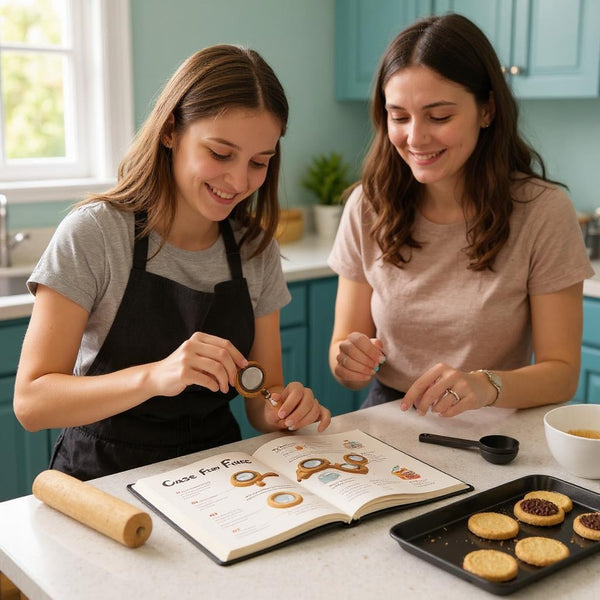
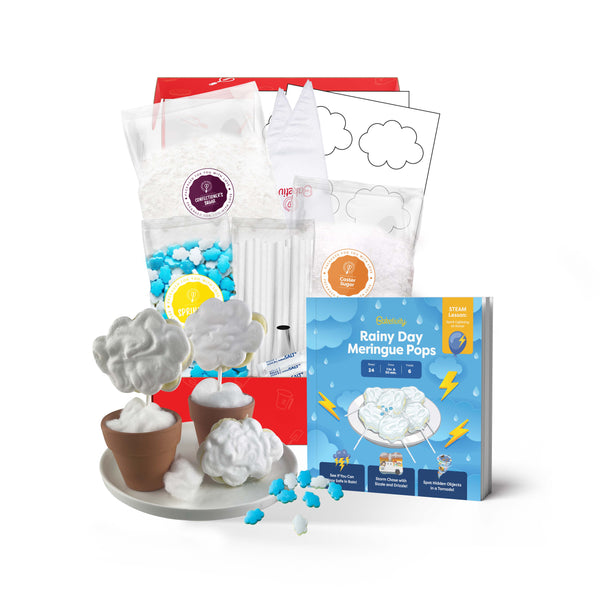
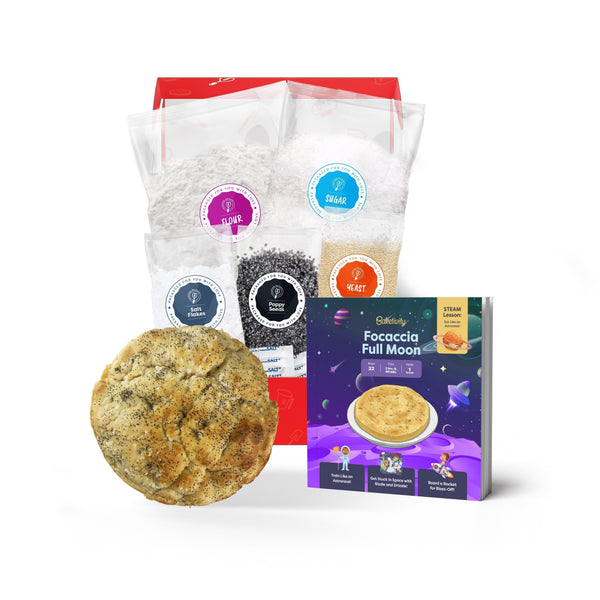
Getting kids excited about vegan baking opens up a whole new world of culinary adventures and learning opportunities in the kitchen. We've seen how baking plant-based treats helps children develop essential cooking skills while teaching them about healthy, sustainable food choices. Plus, it's a fun way to spend quality time together creating delicious memories.
Whether you're raising vegan kids or simply want to explore dairy-free and egg-free options with your little ones there's never been a better time to start. From classic cookies to creative cupcakes kids can learn valuable kitchen skills while practicing following recipes and discovering the science behind plant-based ingredients. Want to know the best part? Today's vegan alternatives make it easier than ever to recreate favorite treats that everyone will love.
Key Takeaways
- Vegan baking with kids combines fun with valuable lessons about healthy eating, sustainability, and kitchen skills while creating delicious plant-based treats
- Simple ingredient substitutions like mashed bananas, ground flaxseed, and plant milks can easily replace eggs and dairy in traditional recipes, maintaining taste and texture
- Age-appropriate tools and safety measures are essential - use child-sized equipment with safety features and assign tasks based on developmental abilities
- Start with beginner-friendly recipes like cookies and muffins that use basic ingredients and straightforward steps to build confidence and skills
- Transform baking sessions into educational opportunities by incorporating lessons about kitchen science, measurements, and natural food coloring techniques
- Regular adult supervision and clear safety guidelines help create an enjoyable, risk-free environment for young bakers to explore vegan cooking
Benefits of Teaching Kids to Bake Vegan
Teaching kids to bake vegan treats combines hands-on learning with valuable life lessons about health, sustainability and compassion. This creative activity empowers children to explore plant-based ingredients while developing essential kitchen skills.
Building Healthy Eating Habits
Vegan baking introduces children to nutritious ingredients like whole grains, fruits and plant-based proteins. Kids learn to read nutrition labels, identify wholesome alternatives and understand how different ingredients work together. By experimenting with natural sweeteners (maple syrup, dates, bananas) and healthy fats (avocado, nut butters), children develop an appreciation for real food ingredients.
Key healthy habits developed through vegan baking:
- Reading and understanding food labels
- Identifying nutritious plant-based ingredients
- Measuring and portioning ingredients correctly
- Making smart substitutions for eggs and dairy
- Creating treats with less refined sugar
Learning About Sustainability
Vegan baking offers practical lessons about environmental impact and food choices. Through hands-on experience, kids discover how plant-based ingredients reduce their carbon footprint compared to animal products. The baking process demonstrates sustainable kitchen practices like reducing food waste and choosing eco-friendly packaging.
- Using seasonal produce in recipes
- Reducing kitchen waste through proper planning
- Understanding ingredient sourcing
- Composting unused plant materials
- Choosing bulk ingredients to minimize packaging
- Storing ingredients properly to extend shelf life
| Environmental Impact | Traditional Baking | Vegan Baking |
|---|---|---|
| Water Usage (gallons per batch) | 450 | 175 |
| CO2 Emissions (lbs per batch) | 8.4 | 3.2 |
| Food Waste (oz per batch) | 12 | 4 |
Essential Vegan Baking Substitutes
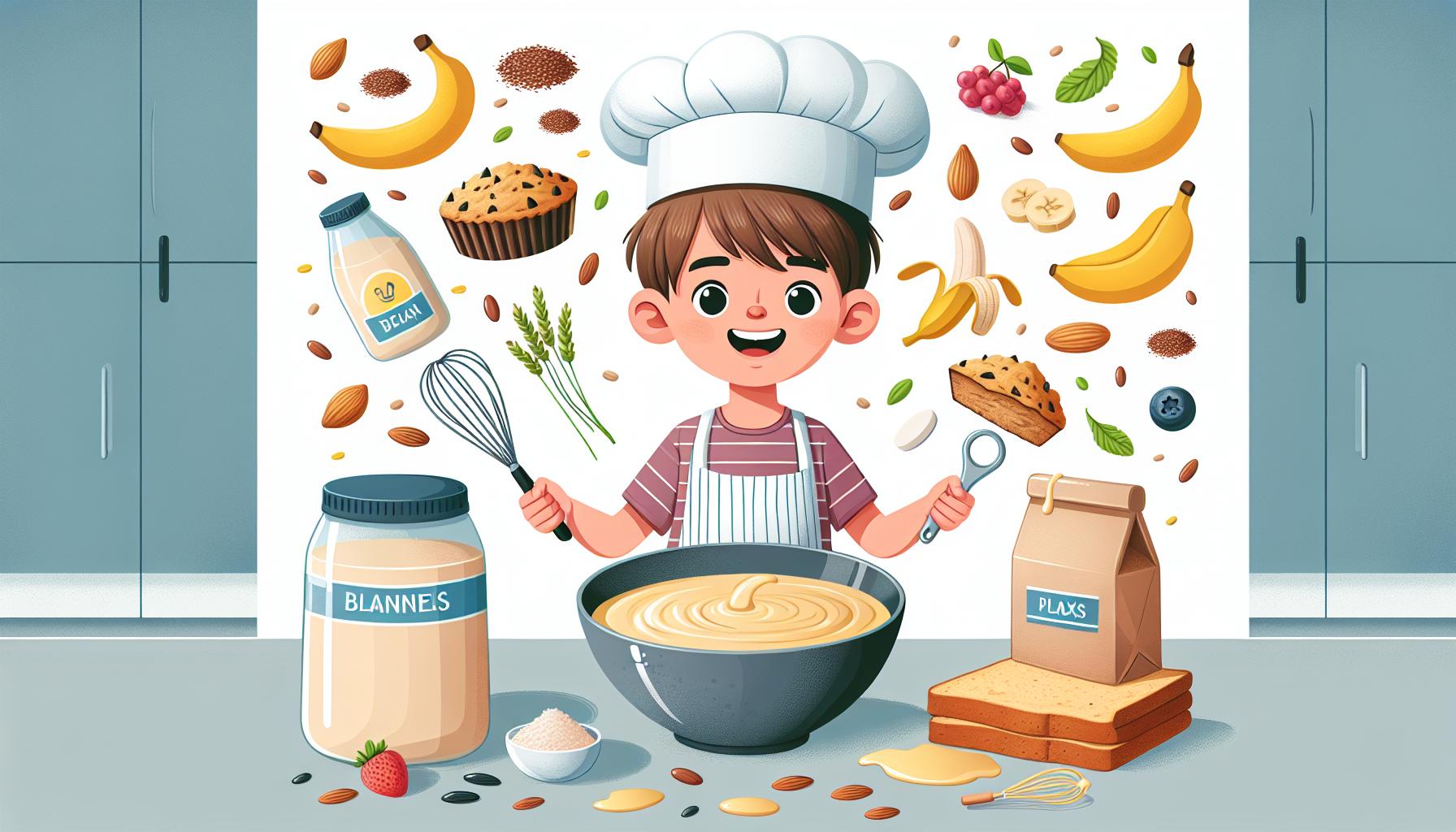
Vegan baking transforms classic recipes into plant-based treats through simple ingredient swaps. These alternatives maintain the taste, texture, and consistency of traditional baked goods while keeping them completely animal-free.
Egg Replacements
Common egg substitutes create the same binding and leavening effects in vegan recipes. Here are proven options with their measurements per one egg:
- Mashed banana (¼ cup): Adds moisture and natural sweetness to muffins, quick breads and brownies
- Ground flaxseed (1 tbsp + 3 tbsp water): Creates a gel-like consistency perfect for cookies and bread
- Applesauce (¼ cup): Provides moisture and binding in cakes and quick breads
- Commercial egg replacer (follow package instructions): Works well in all baked goods
- Silken tofu (¼ cup pureed): Adds protein and creates density in cheesecakes and custards
Dairy Alternatives
Plant-based dairy substitutes match the function and flavor of traditional dairy products:
- Plant milks (1:1 ratio)
- Soy milk: High protein content ideal for enriched doughs
- Oat milk: Creates tender crumb in cakes and muffins
- Almond milk: Light option for general baking needs
- Butter replacements
- Coconut oil: Solid at room temperature, perfect for pie crusts and cookies
- Applesauce: Low-fat option for moist cakes and quick breads
- Vegan butter (1:1 ratio): Direct substitute for all baking needs
- Cream alternatives
- Coconut cream: Whips well for frosting and fillings
- Cashew cream: Creates rich, smooth textures in desserts
Kid-Friendly Vegan Baking Equipment

Creating a safe baking environment starts with selecting the right tools for young bakers. A well-equipped kitchen makes vegan baking with kids more enjoyable while teaching them essential kitchen safety skills.
Safe Tools for Small Hands
Child-sized baking tools enable kids to participate fully in the baking process. Here's essential equipment that keeps small hands safe:
- Plastic measuring cups with large handles for easy gripping
- Silicone spatulas sized for child hands
- Lightweight mixing bowls with non-slip bases
- Plastic cookie cutters with rounded edges
- Rolling pins designed for kids with smooth handles
- Non-slip mixing mats to prevent spills
- Protective oven mitts in children's sizes
- Digital kitchen scale for precise measurements
- Adjustable measuring spoons with clear markings
- Non-stick silicone baking mats
- Electric hand mixer with safety lock features
- Colorful mixing bowls with pouring spouts
- Timer with large display numbers
- Sifter with ergonomic handle design
| Tool Category | Safety Features | Age Range |
|---|---|---|
| Mixing Tools | Non-slip grips | 3-6 years |
| Measuring Tools | Large prints | 4-8 years |
| Cutting Tools | Rounded edges | 5+ years |
| Heat Protection | Double insulation | 6+ years |
Easy Vegan Recipes to Start With
These beginner-friendly vegan recipes create delicious treats while teaching kids essential baking skills. Each recipe features simple ingredients with straightforward steps that make baking fun for young chefs.
Simple Cookie Recipes
Vegan chocolate chip cookies introduce kids to basic measuring techniques using 6 ingredients. Mix together plant-based butter, brown sugar, vanilla extract, flour, dairy-free chocolate chips, and plant milk for chewy cookies in 15 minutes. Other kid-approved options include:
- Oatmeal raisin cookies packed with wholesome ingredients like rolled oats, cinnamon, and dried fruit
- 3-ingredient peanut butter cookies made from natural peanut butter, maple syrup, and flour
- No-bake cookie balls combining dates, nuts, and cocoa powder
- Sugar cookies perfect for decorating with natural food coloring and sprinkles
Basic Muffin Ideas
Muffins offer endless opportunities for kids to experiment with flavors and mix-ins. Here's a simple base recipe with popular variations:
| Ingredient | Amount |
|---|---|
| All-purpose flour | 2 cups |
| Plant milk | 1 cup |
| Applesauce | 1/2 cup |
| Sugar | 3/4 cup |
| Oil | 1/3 cup |
| Vanilla extract | 1 tsp |
Kid-friendly mix-in combinations:
- Banana chocolate chip: Add 2 mashed bananas and 1/2 cup dairy-free chips
- Blueberry lemon: Mix in 1 cup fresh berries and 1 tbsp lemon zest
- Carrot cake: Fold in 1 cup shredded carrots and 1/2 tsp cinnamon
- Double chocolate: Add 1/4 cup cocoa powder and 1/2 cup chocolate chips
Each recipe takes 25 minutes to bake at 350°F (175°C), making them perfect for young bakers learning timing and temperature control.
Making Vegan Baking Fun and Educational
Making vegan treats offers kids hands-on experience with kitchen science while developing creative skills. The engaging activities transform ordinary baking sessions into memorable learning experiences.
Decorating Tips
Natural food coloring transforms vegan treats into vibrant masterpieces. Create rainbow frosting using beet juice for red, turmeric for yellow, spirulina for green or matcha powder for different shades. Let kids experiment with:
- Piping bags filled with dairy-free buttercream to practice basic patterns like swirls stars rosettes
- Edible decorations including fresh fruit dried flowers nuts seeds
- Sprinkle alternatives like shredded coconut crushed freeze-dried fruit chopped nuts
- Color gradients using natural food dyes mixed in varying ratios
- Stencils cookie cutters for creative shapes patterns
Kitchen Science Lessons
Vegan baking introduces fundamental chemistry concepts through hands-on experiments. Kids learn about:
- Chemical reactions between baking soda vinegar creating natural leavening
- Temperature effects on ingredients like coconut oil transitioning from solid to liquid
- Emulsification process when combining oil plant milk
- Protein structure development in gluten-free flours
- pH levels impact on natural food coloring
| Vegan Ingredient | Scientific Property | Learning Opportunity |
|---|---|---|
| Aquafaba | Protein structure | Whipping stability |
| Flax eggs | Gel formation | Binding properties |
| Coconut oil | Phase changes | States of matter |
| Baking soda | Chemical reactions | Acid-base interactions |
| Natural dyes | pH sensitivity | Color chemistry |
Each baking session creates opportunities for measuring fractions understanding proportions exploring ingredient transformations through age-appropriate scientific observations.
Kitchen Safety Guidelines
Creating a safe kitchen environment sets the foundation for enjoyable vegan baking experiences with kids. Let's explore essential safety practices that protect young bakers while they develop their culinary skills.
Age-Appropriate Tasks
Kids of different ages require specific task assignments that match their developmental abilities:
- Ages 2-3:
- Stirring dry ingredients with a wooden spoon
- Scooping pre-measured ingredients
- Decorating with sprinkles
- Washing fruits and vegetables
- Ages 4-6:
- Measuring dry ingredients
- Mashing bananas with a fork
- Rolling cookie dough into balls
- Greasing baking pans
- Ages 7-9:
- Using a hand mixer
- Reading recipe instructions
- Basic knife skills with supervision
- Operating timers
- Ages 10+:
- Operating stand mixers
- Removing items from the oven
- Advanced measuring techniques
- Following recipes independently
Supervision Best Practices
Maintaining safety requires consistent adult oversight during baking activities:
- Establish clear kitchen rules:
- Clean hands before starting
- Walk instead of run
- Ask before using equipment
- Keep workstations tidy
- Position yourself strategically:
- Stand between children and hot surfaces
- Maintain arm's reach during knife use
- Monitor electrical appliance operation
- Supervise ingredient handling
- Create safety checkpoints:
- Verify oven temperatures
- Double-check ingredient measurements
- Inspect equipment condition
- Monitor hand placement near hot surfaces
- Implement emergency procedures:
- Keep first aid supplies accessible
- Post emergency numbers visibly
- Install fire extinguishers
Conclusion
Vegan baking with kids opens up a world of possibilities for creating delicious treats while teaching valuable life lessons. We've seen how this activity goes beyond just making tasty snacks - it's about nurturing creativity developing kitchen skills and fostering an understanding of sustainable living.
By introducing children to vegan baking we're empowering them with knowledge about healthy ingredients and environmental consciousness. These experiences will shape their relationship with food and the planet for years to come.
Let's embrace the joy of vegan baking with our little ones and watch as they discover the magic of creating delicious treats that are good for them and the planet. Together we're baking a better future one plant-based recipe at a time.
Frequently Asked Questions
What age is appropriate to start vegan baking with kids?
Children can start participating in vegan baking activities as early as age 2-3 with simple tasks like stirring and decorating. As they grow, they can take on more complex responsibilities. By age 10, many children can follow basic recipes independently under supervision. The key is to match tasks with their developmental abilities and ensure proper safety measures.
What are common egg replacements in vegan baking?
The most popular egg replacements include mashed bananas, ground flaxseed mixed with water, commercial egg replacers, and applesauce. For binding, you can use 1/4 cup of mashed banana or 1 tablespoon of ground flaxseed mixed with 3 tablespoons of water per egg needed in the recipe.
How can I make vegan baking fun for kids?
Engage children by letting them choose recipes, ingredients, and decorations. Use colorful natural food dyes, fun shaped cookie cutters, and allow creative expression through decorating. Include kitchen science experiments and make measuring ingredients into a math game. Keep sessions short and celebrate their creations.
What are essential tools needed for kids' vegan baking?
Key tools include child-sized measuring cups and spoons, lightweight mixing bowls, silicone spatulas, plastic mixing spoons, protective oven mitts, and non-slip mixing mats. Choose brightly colored, durable tools designed for small hands, and avoid sharp or heavy equipment that could be dangerous.
How can vegan baking teach children about sustainability?
Through vegan baking, children learn about reducing environmental impact by using plant-based ingredients that require less water and produce fewer CO2 emissions. They also learn about food waste reduction, choosing local ingredients, and understanding how their food choices affect the planet.
Are vegan baked goods as nutritious as traditional ones?
Vegan baked goods can be equally or more nutritious when made with whole food ingredients. They often contain more fiber from whole grains, natural sweeteners, and fruits. Many vegan recipes incorporate nutrient-rich ingredients like nuts, seeds, and plant-based proteins, making them a healthy alternative to traditional baked goods.
How do I store vegan baked goods properly?
Store vegan baked goods in airtight containers at room temperature for 2-3 days, or in the refrigerator for up to a week. Most items can be frozen for up to 3 months. Ensure proper cooling before storage and keep items away from direct sunlight and heat sources.
What are some easy first recipes for kids?
Start with simple recipes like no-bake cookie balls, basic muffins, or vegan chocolate chip cookies. These recipes typically require minimal ingredients, basic mixing techniques, and short baking times. As children gain confidence, they can progress to more complex recipes.