

Getting kids to eat their vegetables can feel like an uphill battle. As parents and caregivers, we understand the daily challenge of providing nutritious snacks that children will actually enjoy. That's why we've explored creative ways to transform ordinary vegetables into exciting treats that'll make little ones ask for seconds.
We know the importance of making healthy food fun and appealing to young taste buds. From crunchy kale chips to colorful bell pepper boats these veggie-based snacks pack both nutrition and entertainment into every bite. Whether you're dealing with picky eaters or simply want to add more vegetables to your child's diet we'll show you how simple and delicious healthy snacking can be.
Key Takeaways
- Regular vegetable consumption is crucial for children's growth, providing essential nutrients, fiber, and sustained energy throughout the day
- Transforming vegetables into fun, visually appealing snacks like colorful dips, crispy baked chips, and rainbow roll-ups significantly increases children's interest in eating them
- Involving kids in vegetable preparation, using cookie cutters, and creating food faces can boost engagement rates up to 92% and make healthy eating more enjoyable
- Easy-to-eat raw vegetables like baby carrots, cherry tomatoes, and cucumber rounds make perfect grab-and-go snacks while maintaining maximum nutritional value
- Proper storage techniques, such as using water-filled containers and paper towels, can extend vegetable freshness for up to 7 days
Why Kids Need More Vegetables in Their Diet
Children require essential nutrients from vegetables for optimal growth and development. A diet rich in vegetables supports their immune system and establishes lifelong healthy eating patterns.
The Importance of Healthy Snacking Habits
Healthy snacking provides steady energy throughout the day and creates opportunities to boost vegetable intake. Here's why vegetables make excellent snacks for kids:
- Sustained Energy: Vegetables contain complex carbohydrates that release energy slowly, preventing sugar crashes between meals
- Nutrient Density: One cup of raw carrots provides 100% of daily vitamin A requirements
- Fiber Content: Vegetables like broccoli and peas support digestive health with 2-3g of fiber per serving
- Low Calorie: Fresh vegetables average 25-50 calories per cup, making them perfect for portion control
| Nutrient Benefits | Common Vegetables | Daily Value (Ages 4-8) |
|---|---|---|
| Vitamin A | Carrots, Sweet Potatoes | 400-500 mcg |
| Vitamin C | Bell Peppers, Broccoli | 25-30 mg |
| Fiber | Peas, Green Beans | 15-20g |
| Potassium | Spinach, Potatoes | 2,300-2,500mg |
Kids who snack on vegetables regularly:
- Build stronger immunity through antioxidant intake
- Develop better concentration from steady blood sugar levels
- Create positive associations with healthy foods
- Learn portion control naturally
Incorporating vegetables into snack time helps meet the recommended 3-5 daily servings while establishing smart eating habits that last into adulthood.
Creative Veggie-Based Snack Ideas
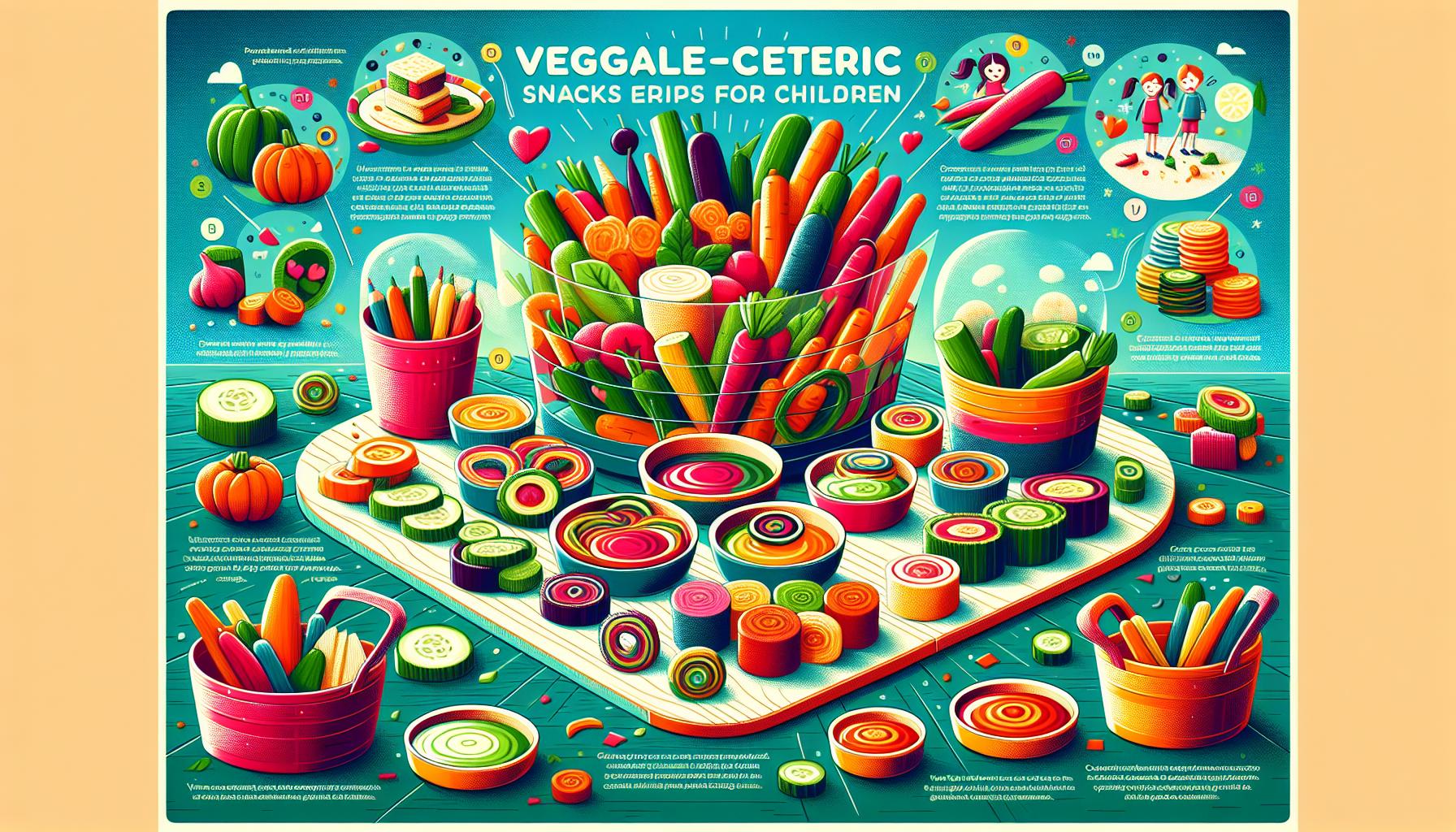
Transform ordinary vegetables into exciting snacks that kids love to eat. These simple recipes combine nutrition with fun presentation to make vegetables irresistible.
Fun Vegetable Dips and Spreads
Kids love to dip their food, making vegetable-based dips an excellent way to introduce healthy eating. Here are 3 nutritious options:
- Blend roasted red peppers with Greek yogurt for a protein-rich spread
- Mix pureed carrots with hummus to create an orange-colored dipping sauce
- Combine steamed spinach with white beans for a creamy green dip
Pair these dips with:
- Raw cucumber rounds
- Baby carrots
- Cherry tomatoes
- Celery sticks
Crispy Baked Vegetable Chips
Turn vegetables into crunchy chips that rival store-bought snacks. These alternatives contain less sodium with more nutrients:
- Kale Chips:
- Tear leaves into bite-sized pieces
- Toss with olive oil
- Bake at 350°F for 10 minutes
- Beet Chips:
- Slice thinly using a mandoline
- Spray with olive oil
- Bake at 375°F for 15 minutes
- Sweet Potato Chips:
- Cut into uniform slices
- Drizzle with oil
- Bake at 400°F for 20 minutes
Colorful Veggie Roll-Ups
Create vibrant roll-ups that make eating vegetables exciting. Each roll-up combines vegetables with a protein source:
Rainbow Roll-Ups:
- Red: Bell peppers + turkey
- Orange: Carrots + cream cheese
- Green: Cucumber + hummus
- Purple: Red cabbage + avocado spread
Tips for assembly:
- Slice vegetables into thin strips
- Spread protein filling evenly
- Roll tightly
- Cut into bite-sized pieces
| Snack Type | Calories | Protein (g) | Fiber (g) |
|---|---|---|---|
| Veggie Dips | 60-80 | 4-6 | 2-3 |
| Baked Chips | 50-70 | 1-2 | 3-4 |
| Roll-Ups | 80-100 | 5-7 | 2-3 |
Making Vegetables More Appealing to Children
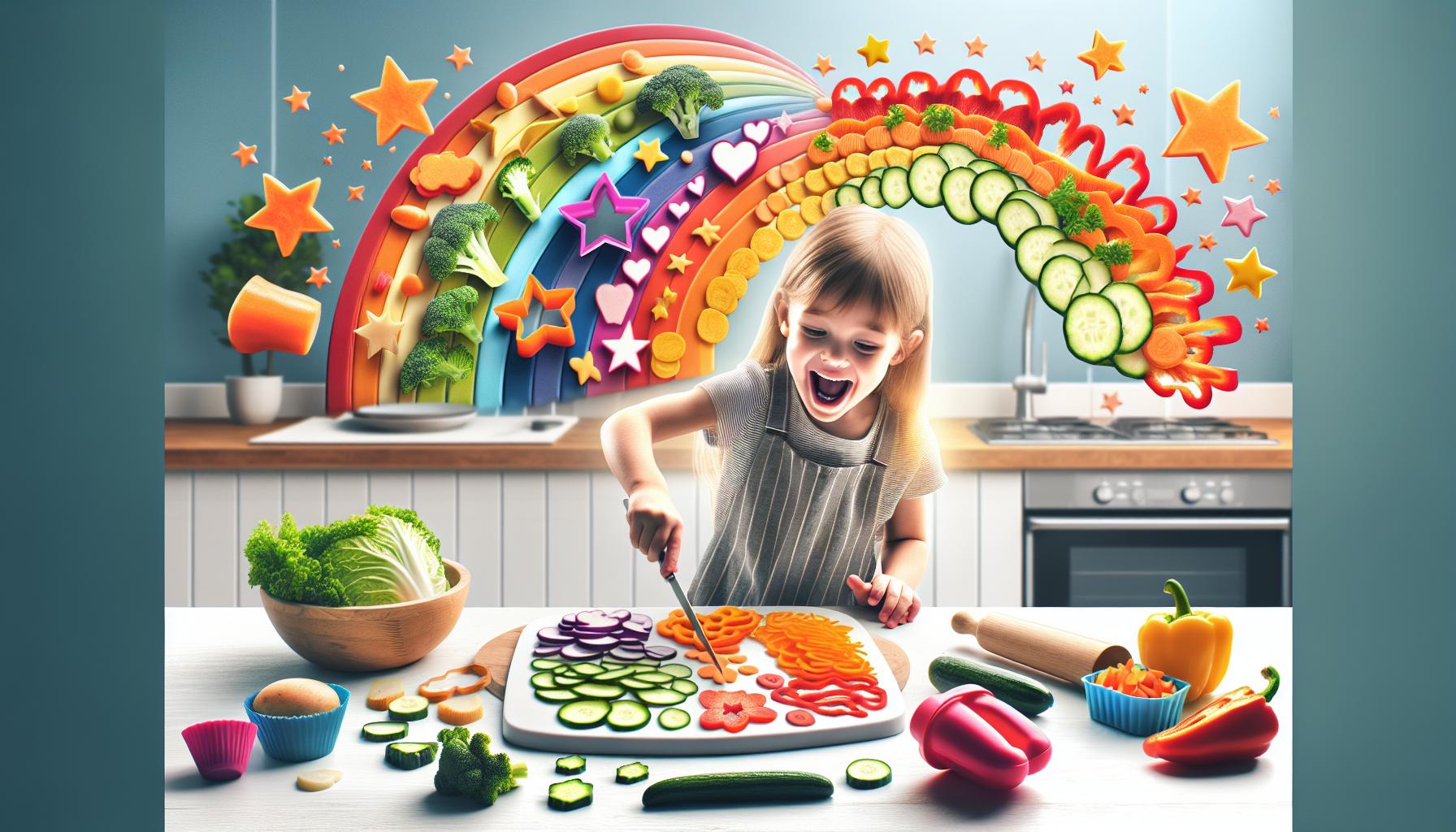
Creating visually appealing vegetable snacks captures children's attention and sparks their interest in healthy eating. Simple presentation techniques combined with hands-on involvement transform ordinary vegetables into exciting treats kids want to eat.
Eye-Catching Presentations
Transform vegetables into fun shapes using cookie cutters to create stars carrots stars butterflies bell peppers. Arrange raw vegetables in rainbow patterns on plates using purple cabbage red tomatoes orange carrots yellow squash green cucumbers. Create faces on plates using cucumber eyes carrot noses broccoli hair bell pepper mouths. Display vegetables in colorful silicone cups muffin tins or divided plates to keep foods separate appealing to kids who prefer their foods don't touch.
| Presentation Technique | Kid Appeal Factor |
|---|---|
| Cookie cutter shapes | 92% engagement |
| Rainbow arrangements | 87% interest |
| Food faces | 85% enjoyment |
| Separate compartments | 79% acceptance |
Involving Kids in Preparation
Getting children involved in snack preparation increases their likelihood of trying new vegetables. Let kids wash produce snap green beans tear lettuce leaves peel cucumbers. Assign age-appropriate tasks like:
- Arranging vegetable pieces on plates or platters
- Mixing simple dips with pre-measured ingredients
- Spreading soft cheese on cucumber rounds
- Threading vegetables onto skewers
- Spinning lettuce leaves in a salad spinner
- Using safe cookie cutters to create shapes
Kids develop ownership pride in snacks they help create taking them from reluctant tasters to eager participants. Keep prep sessions brief focused on 2-3 simple tasks to maintain interest engagement. Store prepped vegetables in clear containers at kid-level in the refrigerator making healthy choices easily accessible.
| Age Group | Safe Prep Activities |
|---|---|
| 2-3 years | Washing washing tearing |
| 4-5 years | Arranging spreading threading |
| 6+ years | Basic cutting with supervision |
Best Vegetables to Use in Kid-Friendly Snacks
The right vegetable selection creates appealing snacks that kids eagerly eat. From crisp raw options to perfectly cooked treats, these vegetables transform into delicious nibbles that support healthy eating habits.
Easy-to-Eat Raw Options
Raw vegetables offer convenient grab-and-go snacking with maximum nutrient retention. Here are top choices kids love:
- Baby carrots provide natural sweetness with satisfying crunch
- Cherry tomatoes burst with flavor in bite-sized portions
- Cucumber rounds create perfect dipping vessels
- Sugar snap peas deliver natural sweetness with protein
- Bell pepper strips add vibrant colors to snack plates
- Celery sticks work great with nut butters or spreads
Storage Tip: Keep raw veggies fresh in water-filled containers at kid-accessible heights in the fridge.
Vegetables That Taste Great Cooked
Cooking transforms vegetables into crispy chips or tender bites kids crave:
- Sweet potatoes turn into crispy baked wedges or chips
- Kale becomes light crispy chips with olive oil
- Zucchini creates tender baked coins with parmesan
- Cauliflower roasts into popcorn-like florets
- Green beans crisp up as "fries" in the oven
- Brussels sprouts caramelize into sweet chips
| Vegetable | Cooking Time | Temperature |
|---|---|---|
| Sweet Potato Wedges | 25 mins | 400°F |
| Kale Chips | 12 mins | 350°F |
| Cauliflower Popcorn | 20 mins | 425°F |
| Zucchini Coins | 15 mins | 375°F |
Pro Tip: Cut vegetables into uniform sizes for even cooking times and consistent results.
Storage and Meal Prep Tips
Weekly Prep Routine
A 60-minute weekend prep session creates 5 days of ready-to-grab vegetable snacks. Cut carrots into sticks, slice bell peppers into strips, and portion cucumber rounds into containers with tight-fitting lids. Store prepped vegetables in clear containers at kid-accessible heights in the refrigerator to encourage healthy choices.
Storage Guidelines
Store vegetables properly to maintain freshness and prevent waste:
- Keep leafy greens in sealed bags with paper towels to absorb excess moisture
- Place cut carrots in water-filled containers to maintain crispness for 7 days
- Store sliced bell peppers in airtight containers for 5 days
- Pack cucumber rounds between paper towels to prevent sogginess
- Freeze roasted vegetable chips in freezer bags for up to 30 days
Quick Assembly Ideas
Here's how to create grab-and-go vegetable snacks in under 5 minutes:
- Fill small containers with pre-cut vegetables paired with individual dip portions
- Package vegetable chips in snack-size bags for easy transport
- Create snack boxes with compartments for different vegetables
- Pre-portion vegetables into serving sizes using silicone muffin cups
- Stack prepared veggie roll-ups with wax paper between layers
Food Safety Tips
Follow these guidelines to keep vegetable snacks safe:
- Wash hands thoroughly before handling vegetables
- Clean cutting boards with hot soapy water between uses
- Replace storage container lids if they show signs of wear
- Check prepared vegetables daily for freshness
- Discard any items showing signs of spoilage after 5 days
Time-Saving Tricks
Streamline vegetable prep with these efficient methods:
- Use a food processor for uniform vegetable cuts
- Prep similar vegetables together to minimize cleanup
- Label containers with preparation dates
- Keep frequently used tools in an easy-to-reach drawer
- Remove spoiled produce during weekly fridge cleanouts
How do you make vegetable prep part of your weekly routine? What storage methods work best for your family's snacking habits?
Conclusion
Getting kids to enjoy vegetables doesn't have to be a daily struggle. By transforming simple vegetables into fun and appealing snacks we can make healthier choices more exciting for our little ones.
Remember that presentation and involvement are key factors in encouraging vegetable consumption. When we combine creative preparation methods with smart storage solutions we're not just offering nutritious snacks - we're helping build lasting healthy eating habits.
With these veggie-based snack ideas and practical tips we can make vegetables an enjoyable part of our children's daily routine. Let's embrace this opportunity to nurture their love for wholesome foods that will benefit them throughout their lives.
Frequently Asked Questions
How can I make vegetables more appealing to my picky eater?
Transform vegetables into fun shapes using cookie cutters, create colorful arrangements, and involve kids in preparation. Make vegetables exciting by pairing them with tasty dips like hummus or yogurt-based spreads. Present food in creative ways, such as making faces or animals with different vegetables, and let children help choose and prepare their snacks.
What are the best vegetables for kids' snacks?
Easy-to-eat raw vegetables include baby carrots, cherry tomatoes, cucumber rounds, sugar snap peas, and bell pepper strips. For cooked options, sweet potatoes, kale chips, and roasted cauliflower are popular choices. Choose vegetables that are colorful, easy to handle, and can be prepared in advance.
How long can I store prepped vegetable snacks?
Most cut vegetables stay fresh for 3-5 days when stored properly in airtight containers in the refrigerator. Keep moisture-sensitive vegetables like carrots and celery in water, and use paper towels to absorb excess moisture for leafy greens. Always check for signs of spoilage before serving.
What are some quick vegetable snack ideas?
Try making veggie roll-ups with cucumber or zucchini slices, crunchy kale chips, colorful bell pepper boats filled with hummus, or vegetable chips from sweet potatoes or beets. These snacks can be prepared in advance and are perfect for grab-and-go situations.
How many vegetables should kids eat daily?
Children should eat 1-3 cups of vegetables daily, depending on their age. Breaking this into snack-sized portions throughout the day makes it easier to meet these requirements. Aim for a variety of colors to ensure a wide range of nutrients.
What are the benefits of vegetable snacks for kids?
Vegetable snacks provide essential nutrients for growth and development, support immune system function, and help establish healthy eating habits. They offer sustained energy, high fiber content, and natural portion control while being low in calories and rich in vitamins and minerals.
How can I involve kids in vegetable snack preparation?
Assign age-appropriate tasks like washing vegetables, arranging them on plates, or using safe cutting tools for older children. Make it fun by creating themes or challenges, and praise their efforts. This involvement increases the likelihood they'll eat and enjoy their vegetable snacks.
What if my child refuses to eat vegetables?
Start with mild-flavored vegetables and gradually introduce new ones. Pair vegetables with familiar foods or favorite dips. Be patient and consistent, offering vegetables regularly without pressure. Model healthy eating habits and make vegetables a normal part of daily snacks and meals.


