Understanding the Importance of a Good Preschool Curriculum
Preschool education plays a significant role in your child's overall development. During these formative years, children acquire fundamental skills and knowledge that will serve as building blocks for future learning. A good preschool curriculum provides a structured and stimulating learning environment that fosters curiosity, problem-solving abilities, creativity, and social interaction. The Role of Preschool Education in Child Development Preschool education goes beyond simply preparing children academically for kindergarten. It also focuses on their social, emotional, physical, and cognitive development. Through age-appropriate activities, children learn about themselves, develop self-confidence, build relationships, and strengthen their fine and gross motor skills. It lays a strong foundation for future academic success and nurtures a lifelong love for learning. Key Elements of a Quality Preschool Curriculum A quality preschool curriculum should encompass a variety of areas, including language development, early math concepts, science exploration, art and creativity, music and movement, social studies, and physical education. It should incorporate hands-on activities, active play, and real-life experiences to engage children in their learning journey. Moreover, a well-rounded preschool curriculum also emphasizes the importance of emotional intelligence and social skills. Children are encouraged to express their feelings, practice empathy, and work collaboratively with their peers. These skills are essential for navigating relationships and developing a strong sense of empathy and compassion towards others. Additionally, a good preschool curriculum recognizes the individuality of each child and tailors teaching strategies to meet their unique needs and learning styles. By providing a supportive and inclusive environment, children are empowered to explore their interests, express their creativity, and develop a sense of autonomy. This personalized approach fosters a sense of belonging and encourages children to take ownership of their learning journey.Evaluating Different Types of Homeschool Preschool Curriculums
When it comes to homeschool preschool curriculums, there are various approaches to consider. Let's explore a few popular options: Montessori-Based Homeschooling The Montessori method emphasizes self-directed learning, independence, and exploration. It provides a prepared environment with carefully chosen materials that promote hands-on exploration and allow children to learn at their own pace. Montessori homeschool curriculums often focus on practical life skills, sensory activities, and math and language development. One of the key principles of Montessori education is the idea of mixed-age classrooms, where children of different ages learn together. This approach encourages collaboration, empathy, and a sense of community among students. Montessori homeschooling also places a strong emphasis on the role of the teacher as a guide and facilitator, rather than a traditional instructor. Waldorf-Inspired Homeschooling Waldorf education emphasizes holistic development, creativity, and imaginative play. Waldorf-inspired homeschool curriculums often incorporate nature-based activities, storytelling, arts and crafts, and rhythmic movement. They emphasize hands-on learning, free play, and the importance of creating a nurturing home environment. In Waldorf-inspired homeschooling, there is a focus on rhythm and routine in daily activities. This helps children feel secure and grounded, providing a sense of predictability in their learning environment. The use of natural materials and a connection to the changing seasons are also common themes in Waldorf-inspired curriculums, fostering a deep appreciation for the world around us. Traditional vs. Progressive Homeschooling Traditional homeschool curriculums follow a structured approach with textbooks, workbooks, and teacher-guided lessons. They often align closely with mainstream educational standards. On the other hand, progressive homeschool curriculums focus on child-led learning, project-based activities, and personalized instruction. They allow for flexibility and customization to meet your child's individual needs. Progressive homeschooling encourages children to take ownership of their learning journey, fostering a sense of curiosity and self-motivation. This approach values creativity, critical thinking, and problem-solving skills, preparing children for a rapidly changing world. By tailoring the curriculum to each child's interests and learning style, progressive homeschooling can create a truly personalized educational experience.Tailoring the Curriculum to Your Child's Needs
While exploring different homeschool preschool curriculums, it's important to consider your child's unique learning style and interests. Every child is different, and what works for one may not work for another. Here are some tips to help you tailor the curriculum to your child's needs: Identifying Your Child's Learning Style Observe how your child learns best - whether they are visual learners who benefit from visual aids, auditory learners who thrive through listening, or kinesthetic learners who learn by doing. Adapt your teaching style and materials accordingly to enhance their understanding and engagement. Visual learners often respond well to colorful charts, diagrams, and videos that help them visualize concepts. Incorporating these elements into your lessons can greatly improve their comprehension and retention of information. Auditory learners, on the other hand, may benefit from educational podcasts, music, or verbal explanations. Utilizing these resources can create a more immersive learning experience for them. Kinesthetic learners thrive in hands-on activities that allow them to explore and manipulate objects. Consider incorporating sensory bins, art projects, and interactive games to cater to their learning style. Incorporating Your Child's Interests into the Curriculum When designing your homeschool preschool curriculum, consider your child's passions and interests. Integrate activities, books, and materials that capture their curiosity and encourage them to explore and learn. By aligning the curriculum with their interests, you ignite a genuine enthusiasm for learning. For example, if your child loves animals, you can incorporate animal-themed books, nature walks to observe wildlife, and even science experiments related to animal habitats. By weaving their interests into the curriculum, you not only make learning more enjoyable but also foster a deeper connection to the subject matter. This personalized approach can lead to a more meaningful and impactful educational experience for your child.Practical Tips for Implementing a Homeschool Preschool Curriculum
Now that you've chosen a curriculum and tailored it to your child's needs, it's time to implement it effectively. Consider the following practical tips: Creating a Conducive Learning Environment at Home Designate a dedicated space in your home for learning activities. Keep it organized, clutter-free, and stocked with age-appropriate materials and resources. This creates a sense of structure and routine, enhancing your child's focus and engagement. When setting up your homeschool preschool environment, think about incorporating elements that stimulate all five senses. Consider adding a cozy reading nook with soft pillows and a variety of books to engage your child's sense of touch and sight. Include a small indoor garden or sensory bin filled with different textures to encourage exploration and sensory development. By engaging multiple senses, you can create a rich learning environment that caters to diverse learning styles. Balancing Academic and Play-Based Learning Preschool education should strike a balance between academic and play-based learning. Incorporate activities that promote literacy, numeracy, and critical thinking skills, but also allow ample time for imaginative play, outdoor exploration, and creative expression. This holistic approach fosters well-rounded development. Encourage learning through play by incorporating educational games and hands-on activities that make learning fun and engaging for your child. For example, you can use building blocks to teach basic math concepts or turn a nature walk into a science exploration adventure. By blending structured learning with play, you can create a dynamic educational experience that keeps your child excited and eager to learn.Overcoming Common Challenges in Homeschooling
Homeschooling has its fair share of challenges, but with patience, flexibility, and adaptability, they can be overcome. Here are a couple of common challenges and strategies to tackle them: Dealing with Resistance to Learning at Home If your child resists learning at home, try to make the activities fun, engaging, and relevant to their interests. Break tasks into smaller, manageable steps and provide plenty of positive reinforcement and encouragement. Remember that learning can take various forms beyond worksheets and textbooks. Ensuring Social Interaction in a Homeschool Setting Social interaction is crucial for your child's development, even in a homeschool setting. Seek opportunities for them to interact with peers through playdates, local homeschool groups, or organized activities like music, art, or sports classes. Virtual communities and online forums can also provide valuable support and connection. Homeschooling your preschooler can be a rewarding and enriching experience. By choosing the best homeschool preschool curriculum, tailoring it to your child's needs, and implementing it effectively, you empower your child to thrive academically and personally in these crucial early years. Embrace the flexibility and freedom that homeschooling offers and enjoy the journey of learning together! One key aspect to consider when homeschooling preschoolers is the importance of incorporating play-based learning into their daily routine. Play is a natural and effective way for young children to explore, learn, and develop essential skills. Through activities like building blocks, pretend play, and sensory experiences, children can enhance their cognitive abilities, creativity, and social skills in a fun and engaging manner. Additionally, creating a conducive learning environment at home is essential for homeschooling success. Designate a specific area in your home for learning activities, stocked with age-appropriate educational materials, books, and art supplies. This dedicated space helps establish a routine and signals to your child that learning is a priority. Consider adding elements like a cozy reading nook, a colorful bulletin board for displaying achievements, or a whiteboard for interactive lessons to make the space inviting and stimulating.Enhance Your Homeschool Experience with Baketivity
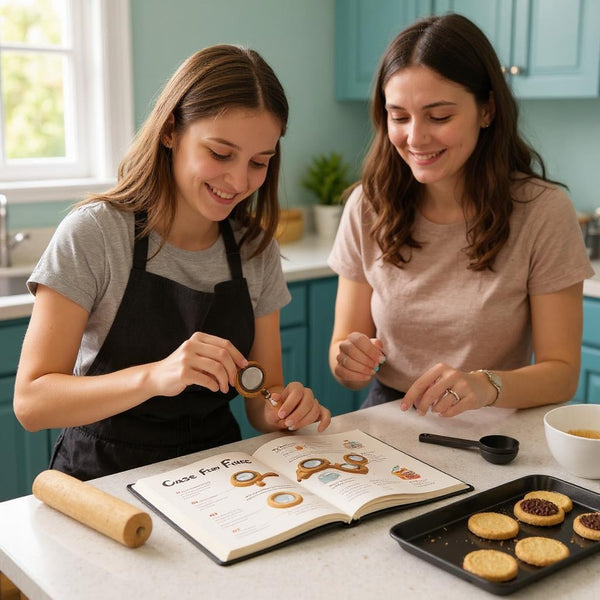
As you embark on the enriching journey of homeschooling your preschooler, consider incorporating Baketivity's baking kits into your curriculum for a delicious twist on learning. Embrace the joy of baking while reinforcing valuable skills such as measuring, following instructions, and creativity. With Baketivity, you can foster family bonding and create unforgettable memories in the kitchen. Our kits are designed to complement your educational goals, providing a hands-on, educational, and tasty experience that aligns with your child's learning journey. Ready to add some extra flavor to your homeschooling routine? Join the Club today and watch your little one's love for learning and baking grow with Baketivity!