
The Origins of Baking
Come, let us step back in time to ancient civilizations and witness the birth of baking. In these early societies, baking was a fundamental part of daily life. The Egyptians, Greeks, and Romans all played a pivotal role in the development of this art. These resourceful civilizations harnessed the power of fire and created ovens, turning grains into sustenance.Ancient Civilizations and Baking
The Egyptians were known for their innovative use of yeast, making leavened bread a cherished delight. They even had professional bakers who perfected their craft. Meanwhile, the Greeks brought us the precursor to pie with their delectable pastries filled with honey and nuts. It was the Romans who took baking to new heights, refining techniques and creating various types of bread to suit different tastes.Baking in the Middle Ages
As we move forward in time, we find ourselves amidst the Middle Ages, an era marked by dramatic changes. The art of baking continued to flourish, driven by the spread of Christianity and the monastic orders. Monks played a significant role in baking bread, often on a large scale, to feed their communities. The bread of this period was not only sustenance but also a symbol of religious significance.The Renaissance and the Rise of Pastry
With the dawn of the Renaissance, baking underwent a transformation. The refinement of sugar production led to the creation of delicate pastries that were enjoyed by the nobility. Intricate designs and flavors became a hallmark of this period, with bakers competing to create the most exquisite treats for royal banquets and celebrations. The art of pastry-making became a symbol of wealth and sophistication, with recipes closely guarded and passed down through generations.Exploration and the Globalization of Baking
As explorers set sail to discover new lands, they also brought back exotic ingredients that revolutionized baking. Spices like cinnamon, nutmeg, and cloves found their way into European kitchens, adding depth and complexity to baked goods. The exchange of culinary techniques between different cultures led to the fusion of flavors and the birth of new baking traditions. Bakers embraced these newfound ingredients, incorporating them into traditional recipes to create a tapestry of flavors that reflected the interconnected world.The Evolution of the Bakery
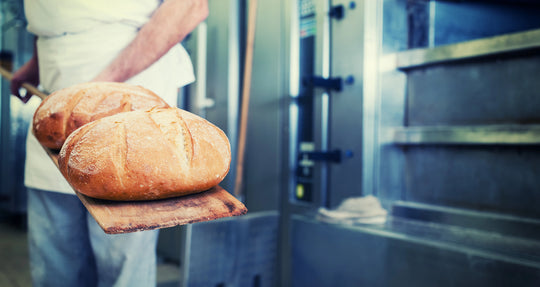
With the dawn of the Renaissance, the bakery underwent a transformative phase. The world witnessed the rise of artisanal bread, crafted with skill and dedication. As the Renaissance flourished, so did the artistry of baking. Bakers honed their skills, perfecting the craft of creating not just sustenance, but culinary masterpieces. The use of high-quality, locally sourced ingredients became a hallmark of artisanal bread, with bakers often cultivating relationships with farmers and millers to ensure the finest flour and grains were used in their creations.The Rise of Artisanal Bread
During this period, bakers took great pride in their craftsmanship, employing traditional techniques and unique ingredients to create bread that delighted the senses. Each loaf was an edible work of art, reflecting local flavors and regional specialties. The aroma of freshly baked bread wafted through the cities, drawing people to the local bakeries. Artisanal bakers became revered members of their communities, with their skills passed down through generations. The shaping of dough, the precise timing of fermentation, and the art of scoring loaves became not just tasks, but rituals that connected bakers to centuries of tradition.The Industrial Revolution and Mass Production
Industrialization brought about sweeping changes in the bakery industry. Steam-powered ovens and mechanized processes revolutionized bread production, enabling mass-scale manufacturing. The mundane task of kneading and baking became mechanized, allowing bread to be produced at a much faster rate. However, while efficiency increased, the rustic charm of artisanal bakeries slowly faded away. Despite the shift towards mass production, the legacy of artisanal breadmaking continues to endure. Modern bakeries now blend the efficiency of mechanization with the artistry of traditional techniques, striving to create bread that not only feeds the body but also nourishes the soul. The evolution of the bakery reflects the ever-changing landscape of food production, where innovation and tradition coexist in a delicate balance.The Role of Bakeries in Society
Throughout history, bakeries have held a special place in society, serving as more than just places to buy bread.Bakeries as Community Hubs
Bakeries have long been community gathering spots, where people come together to indulge in freshly baked treats and engage in lively conversations. These cozy establishments fostered a sense of belonging and provided a space for people to share stories, laughter, and warmth. Moreover, bakeries often played a crucial role in local events and celebrations, providing custom-made cakes for birthdays, weddings, and other special occasions. The aroma of freshly baked goods wafting through the air would draw in passersby, creating a bustling atmosphere filled with joy and anticipation.The Bakery in Literature and Art
The cultural influence of bakeries permeated literature and art, capturing the imagination of creative minds. From novels that transport us to bustling bakeries on charming streets to dazzling paintings depicting bakers in action, the bakery holds a place of reverence in our collective cultural consciousness. It is a symbol of comfort, tradition, and the simple pleasures of life. In addition, the depiction of bakeries in art often symbolizes more than just the act of baking. It represents a connection to our roots, a link to the past where recipes were passed down through generations, and the art of baking was a cherished tradition. Artists have used the imagery of bakeries to evoke feelings of nostalgia, warmth, and a sense of continuity in an ever-changing world.The Modern Bakery
The bakery of today is a melting pot of global baking traditions, embracing flavors and techniques from around the world.The Influence of Global Baking Traditions
Thanks to increased cultural exchange and globalization, bakeries now offer an array of international delights. From French croissants, with their flaky layers and buttery goodness, to Italian cannoli, with their delicate shells filled with creamy ricotta, these diverse treats tantalize taste buds and showcase the richness of culinary traditions from various corners of the globe. But it doesn't stop there. The modern bakery is not only a place to indulge in familiar favorites but also a platform for discovery. Step inside and you might find yourself captivated by the aroma of freshly baked Mexican conchas, with their sweet and colorful toppings, or tempted by the allure of Japanese melon pan, a soft and fluffy bread with a crispy cookie crust. These global influences have transformed the bakery into a treasure trove of flavors, inviting us to embark on a culinary adventure without leaving our neighborhood.The Future of Bakeries: Sustainability and Innovation
As we look to the future, sustainability and innovation are at the forefront of bakery trends. Bakeries are not only satisfying our cravings but also taking responsibility for the impact they have on the environment. Locally sourced ingredients have become a cornerstone of many bakeries, ensuring that the products we enjoy are not only delicious but also support local farmers and reduce carbon footprints. But sustainability goes beyond ingredients. Bakeries are implementing eco-friendly practices, from using energy-efficient ovens to reducing food waste through creative repurposing. These efforts not only benefit the planet but also inspire us to be more mindful consumers, reminding us that every bite we take can make a difference. Furthermore, technological advancements continue to enhance efficiency and creativity in baking. From automated mixing and kneading machines that ensure consistent quality to 3D food printers that push the boundaries of design, the bakery is a hub of innovation. These advancements pave the way for new and exciting flavors, textures, and experiences, allowing bakers to unleash their creativity and surprise us with delightful concoctions we never thought possible. As we continue our journey through the captivating world of the bakery, we are left with a deep appreciation for the artistry and culture that baking embodies. From its humble beginnings to its modern-day transformation, the bakery continues to be a cornerstone of our society, bringing people together through the universal language of food. So, the next time you step into a bakery, take a moment to savor the aroma, admire the craftsmanship, and reflect on the journey that brings these delectable creations to your plate. Let yourself be transported to different corners of the world, where flavors and traditions intertwine, and let the bakery be your gateway to a world of culinary wonders.Join the Baketivity Family
As you reflect on the rich tapestry of baking history and its role in bringing communities together, why not continue the tradition in your own home? Baketivity invites you and your loved ones to join the Baking Club, where the legacy of baking is kept alive through shared experiences and delectable creations. Embrace the opportunity to bond, learn, and create with our all-inclusive baking kits. Perfect for bakers of all ages and skill levels, our kits are infused with quality, creativity, and the joy of family bonding. Don't just read about the art of baking—be a part of it. Join the Baking Club today and start making your own history, one delicious treat at a time.


