
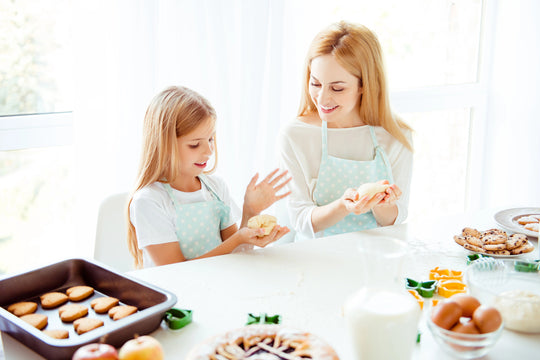
If you’re looking for a new hobby that’s both fun and rewarding, why not try baking? Baking allows you to unleash your creativity in the kitchen while also enjoying delicious treats. Whether you’re a complete beginner or have some experience, this article will guide you through the steps of starting baking as a hobby. From understanding the basics to choosing your first project, we’ve got you covered with a variety of baking recipes!
Understanding the Basics of Baking
Before you dive into the world of baking, it’s important to familiarize yourself with the basic tools and equipment you’ll need. Having the right tools will not only make your baking experience easier but also yield better results. Some essential baking tools include: Understanding ingredient temperatures and starting with simple recipes are crucial baking tips for beginners.Essential Baking Tools and Equipment
- Measuring cups and spoons
- Mixing bowls
- Baking sheets
- Whisk
- Spatula
- Baking pans
- Oven thermometer
Common Baking Ingredients and Their Functions
- Flour: Provides structure
- Sugar: Adds sweetness and moisture
- Eggs: Bind ingredients together
- Butter: Adds flavor and moisture
- Baking powder/soda: Leavening agents
- Salt: Enhances flavors
Basic Baking Techniques Every Beginner Should Know
- Creaming: Beat together butter and sugar until light and fluffy for a soft texture. This technique incorporates air into the mixture, resulting in a tender and moist baked good.
- Folding: Gently combine ingredients without deflating the batter, ideal for delicate recipes. This technique is commonly used when incorporating whipped egg whites or adding dry ingredients to a wet batter.
- Sifting: Pass dry ingredients through a sieve to remove lumps and aerate the mixture. This technique ensures a smooth and evenly distributed mixture, resulting in a uniform texture in your baked goods.
- Kneading: Work dough to develop gluten and achieve the desired texture. This technique is commonly used in bread-making and helps create a chewy and elastic dough.
Choosing Your First Baking Project
Now that you’re familiar with the basics, it’s time to choose your first baking project. Starting small will build your confidence and allow you to master foundational skills. Here are some simple recipes perfect for beginners: Unlike casual cooking, where you can improvise, baking requires precise measurements and methods to create delicious food.Simple Recipes for Beginners
- Chocolate chip cookies
- Vanilla cupcakes
- Banana bread
- Blueberry muffins
Tips for Choosing a Recipe
1. Start with a recipe that has clear instructions and a manageable ingredient list. 2. Consider the amount of time and effort required for the recipe. 3. Choose a recipe that matches your skill level and interests. As you embark on your baking journey, it's essential to understand the importance of precision in baking. Unlike cooking, where you can often improvise, baking requires exact measurements and techniques to achieve the desired results. Make sure to invest in a good set of measuring cups and spoons to ensure accuracy in your recipes. Furthermore, don't be afraid to experiment with flavors and ingredients once you've gained confidence in your baking skills. Adding a dash of cinnamon to your banana bread or a sprinkle of sea salt on your chocolate chip cookies can elevate the flavors and make the recipe uniquely yours. Baking is not just about following instructions but also about expressing your creativity in the kitchen.The Importance of Following Recipes
While baking allows for creative expression, it's crucial to follow recipes, especially as a beginner. Recipes provide precise measurements and instructions that ensure consistent and successful results. Let's take a closer look at some key aspects of following recipes:Understanding Recipe Measurements
Recipes often include measurements in cups, teaspoons, and ounces. It's essential to have accurate measuring cups and spoons to ensure proper proportions. Remember, baking is a science, and precision matters! When measuring ingredients, it's important to note the difference between dry and liquid measuring cups. Dry cups should be leveled off with a straight edge to avoid excess flour or sugar, while liquid cups require you to check the meniscus, the curved surface of the liquid, at eye level for accuracy.The Role of Precision in Baking
Even small variations in measurements or techniques can significantly affect the final outcome of your baked goods. Stick to the recipe as closely as possible to achieve the desired results. As you gain experience, you can experiment and make adjustments to suit your taste. Aside from measurements, factors like oven temperature and mixing methods also play a crucial role in baking. Preheating your oven to the correct temperature ensures that your baked goods rise and bake evenly. Additionally, the way you mix your ingredients, whether it's creaming butter and sugar for cookies or folding in flour for a delicate cake, impacts the texture and structure of the final product.Baking Cakes and Other Sweet Treats
Baking cakes and other sweet treats is a delightful aspect of the baking hobby. With a few essential baking tools and some practice, you can create delicious cakes, cupcakes, and other sweet treats that will impress family and friends. Whether you’re baking for a special occasion or just to satisfy a sweet tooth, the process can be incredibly rewarding.Tips for Baking Cakes and Other Sweet Treats
- Use quality ingredients: Fresh and high-quality ingredients are essential for baking delicious cakes and sweet treats. Opt for real butter, fresh eggs, and pure vanilla extract to enhance the flavors of your baked goods.
- Measure ingredients accurately: Accurate measurements are crucial in baking. Use measuring cups for dry ingredients and liquid measuring cups for wet ingredients to ensure your recipes turn out perfectly.
- Don’t overmix: Overmixing can lead to dense and tough baked goods. Mix wet and dry ingredients separately and gently fold them together until just combined.
- Use the right baking pans: Baking pans come in various shapes and sizes. Choose the right pan for the recipe you’re using to ensure even baking. For example, use a round cake pan for layer cakes and a loaf pan for quick breads.
- Don’t overbake: Keep an eye on your baked goods while they’re in the oven. Overbaking can lead to dry and crumbly textures. Use a toothpick to check for doneness; it should come out clean or with a few moist crumbs.
Safety Precautions in Baking
Baking is a joyful activity, but it's essential to prioritize safety in the kitchen. By following some simple safety precautions, you can prevent accidents and enjoy your baking experience: Ensuring a safe baking environment involves more than just following a recipe. It's crucial to be mindful of potential hazards and take necessary precautions to protect yourself and others in the kitchen.Safe Use of Baking Tools and Equipment
1. Read the instructions and understand how to properly use all your baking tools and equipment. 2. Keep your workspace clean and organized to avoid accidents and spills. 3. Use oven mitts when handling hot pans and remember to turn off the oven after use. Additionally, it's important to regularly inspect your baking tools for any signs of wear or damage. Replace any worn-out tools to prevent accidents during baking.Food Safety and Hygiene in Baking
1. Wash your hands thoroughly before and after handling food. 2. Check the freshness of ingredients, especially perishables like eggs and dairy. 3. Properly store your ingredients to maintain their quality and prevent contamination. Furthermore, when working with raw ingredients, such as eggs or raw dough, it's crucial to clean all surfaces and utensils that come in contact with them to avoid cross-contamination. Implementing good food safety practices not only ensures the quality of your baked goods but also protects your health and the health of those who will be enjoying your creations.Maintaining Your Baking Hobby
Now that you've started your baking journey, it's important to maintain your hobby and continue to improve your skills. Here are some tips to help you along the way:Organizing Your Baking Supplies and Space
A well-organized baking space and supplies can make a big difference in your baking journey. Not only does it save time, but it also makes the process more enjoyable and efficient. Here are some tips for organizing your baking supplies and space:- Invest in a baking cart or island: A baking cart or island can provide additional counter space and storage for your baking supplies. This dedicated area can help keep everything you need within reach and make your baking sessions more streamlined.
- Use a pegboard: A pegboard can help keep your baking tools and equipment organized and within reach. Hang your measuring cups, spatulas, and whisks on the pegboard for easy access.
- Label your supplies: Labeling your baking supplies can help you quickly find what you need when you need it. Use clear containers and label them with the contents and expiration dates.
- Store ingredients properly: Store your ingredients in a cool, dry place to ensure they stay fresh and usable. Use airtight containers for flour, sugar, and other dry ingredients to prevent them from absorbing moisture.
- Clean as you go: Cleaning as you go can help prevent messes and make the baking process more enjoyable. Wipe down surfaces, wash utensils, and put away ingredients as you use them.


