

Cooking with family isn't just about whipping up meals—it's a recipe for creating lasting memories and teaching valuable life skills. Picture this: flour-dusted faces, giggles over mixing mishaps, and the sweet aroma of homemade treats filling the air. We've all been there, trying to crack an egg one-handed like a TV chef, only to end up with shells in the bowl and laughter all around.
Ever wondered how to turn your kitchen into a fun-filled classroom for kids and adults alike? We'll show you how cooking together can stir up more than just delicious dishes. From boosting creativity to fostering teamwork, family cooking time is a secret ingredient for stronger bonds. Ready to roll up your sleeves and dive into a world of culinary adventures that'll have everyone begging for seconds?
Key Takeaways
- Family cooking builds stronger bonds and creates lasting memories while teaching valuable life skills
- Age-appropriate cooking activities engage all family members, from toddlers to teens
- Themed cooking nights, like "Around the World Cuisine," add excitement to family meal preparation
- Involving children in meal planning and grocery shopping encourages healthy eating habits
- Creative approaches, such as food art and gardening, can help engage picky eaters in trying new foods
Benefits of Cooking Together as a Family
Cooking as a family offers numerous advantages that extend beyond the kitchen. It's a fun and rewarding activity that brings everyone closer while imparting valuable skills.
Building Stronger Bonds
Family cooking time creates lasting connections. As we chop, stir, and taste together, we're not just preparing meals – we're crafting memories. Remember that time Dad accidentally used salt instead of sugar in the cookies? Hilarious mishaps like these become cherished family stories. Cooking side by side encourages open communication and teamwork. It's a chance to catch up on each other's day, share laughs, and solve problems together. How often do you gather in the kitchen with your loved ones?
Teaching Life Skills
The kitchen is a classroom where kids learn valuable lessons. Cooking teaches math through measuring ingredients and timing dishes. It introduces science concepts like chemical reactions when baking. Following recipes improves reading comprehension and attention to detail. As families cook together, children develop problem-solving skills and creativity. They learn to improvise when ingredients are missing or something doesn't go as planned. Ever tried substituting applesauce for eggs in a recipe? It's these little experiments that spark curiosity and innovation. Plus, cooking instills a sense of responsibility and accomplishment. There's nothing quite like the pride on a child's face when they serve a dish they helped create.
Age-Appropriate Cooking Activities
Cooking with family members of all ages creates unforgettable experiences and teaches valuable skills. We've compiled a list of age-appropriate cooking activities to involve everyone in the kitchen fun.
Toddlers and Preschoolers
Little ones love to help in the kitchen, and there are plenty of safe tasks they can handle:
- Stirring batter for pancakes or muffins
- Washing fruits and vegetables
- Tearing lettuce for salads
- Sprinkling cheese on pizza or casseroles
- Decorating cookies with sprinkles
Remember to supervise closely and use child-safe utensils. These simple tasks help develop fine motor skills and introduce basic food concepts.
Elementary School Kids
As children grow, they can take on more complex cooking tasks:
- Measuring ingredients
- Cracking eggs
- Kneading dough for bread or pizza
- Assembling sandwiches or wraps
- Using cookie cutters to shape dough
Elementary-age kids can start learning about kitchen safety and basic cooking techniques. It's a great time to introduce simple recipes they can make with minimal supervision.
Teens and Tweens
Older children can handle more advanced cooking responsibilities:
- Chopping vegetables with proper knife skills
- Operating small appliances like blenders or food processors
- Planning and preparing entire meals
- Experimenting with flavor combinations
- Baking cakes or pies from scratch
Fun Cooking Themes for Family Night
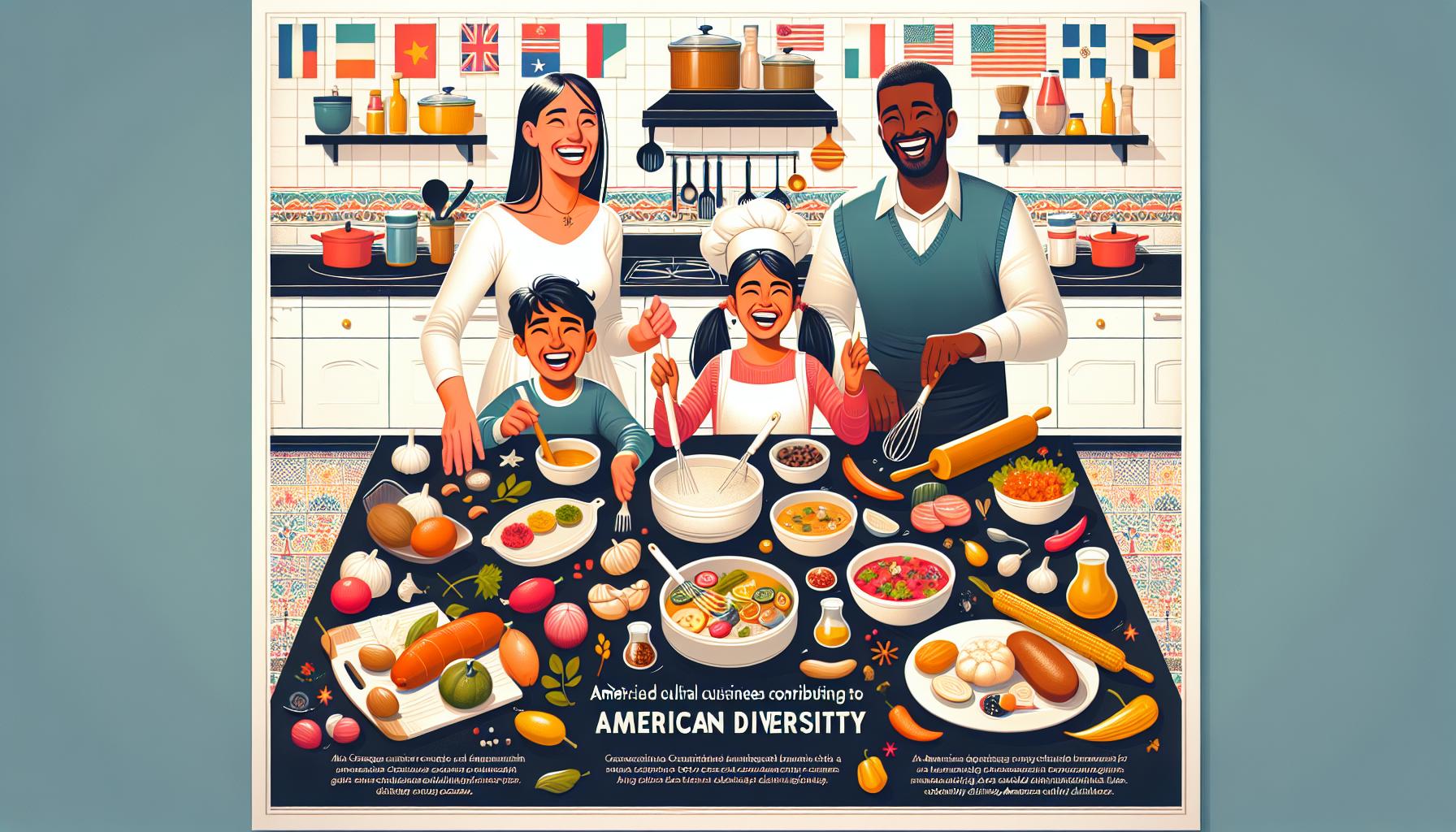
Spice up your family cooking nights with exciting themes that'll keep everyone engaged and eager to participate. Here are some creative ideas to transform your kitchen into a culinary playground for the whole family.
Around the World Cuisine
Take your taste buds on a global adventure without leaving your kitchen. Pick a country or region each week and explore its flavors together. For Italian night, make homemade pizza with various toppings. During Mexican night, set up a taco bar with colorful ingredients. On Japanese night, try your hand at rolling sushi. This theme not only introduces new flavors but also teaches kids about different cultures. Ever tried to eat spaghetti with chopsticks? Give it a shot and watch the giggles ensue!
Kitchen Safety for All Ages
Who doesn't love a good kitchen mishap story? We've all been there, whether it's the classic "I thought the recipe said 3 cups of salt, not 3 teaspoons!" or the infamous "Why is the smoke alarm going off?" moment. But jokes aside, kitchen safety is no laughing matter, especially when the whole family's involved.
Let's start with the basics. Ever wondered why chefs always look so cool and collected? It's because they follow the golden rule: mise en place. French for "everything in its place," this simple concept can transform your kitchen from chaos to calm. Before you begin, gather all your ingredients and tools. It's like setting up a game board – you wouldn't start Monopoly without all the pieces, right?
For the little ones, we've got some fun tricks up our sleeves. Remember those colorful cutting boards you've seen? They're not just for show! Use different colors for different foods to prevent cross-contamination. It's like a tasty game of color-coding that keeps everyone safe.
Teens and tweens, listen up! You're ready for the big leagues now. But before you channel your inner Gordon Ramsay, let's talk knife skills. Picture this: you're a samurai, and that carrot is your sworn enemy. Grip the handle firmly, keep your fingers tucked, and let the blade do the work. Slow and steady wins the race – and keeps all your fingers intact!
Adults, you're the captains of this culinary ship. Your mission? Lead by example. Always use oven mitts (no, that dish towel won't cut it), keep pot handles turned inward, and please, for the love of all things delicious, don't leave the stove unattended. Remember the time Uncle Bob tried to multitask and ended up with charcoal cookies? Let's not repeat that fiasco.
What about those pesky germs we can't see? Here's a fun fact: singing "Happy Birthday" twice while washing your hands is the perfect timer for a thorough clean. It's like a mini-karaoke session that keeps the bad bugs away!
Have you ever thought about turning safety into a game? Create a "Safety Superhero" chart where family members can earn stars for following kitchen rules. Who knows? You might just discover your household's next culinary champion.
Remember, a safe kitchen is a happy kitchen. By involving everyone in these practices, we're not just cooking meals; we're cooking up memories that'll last a lifetime. So, are you ready to don your aprons and become Kitchen Safety Superheroes?
Meal Planning as a Family Activity
Ever thought about turning meal planning into a family game night? It's like playing Monopoly, but instead of buying properties, you're building a week's worth of delicious dinners! Gather around the kitchen table with your loved ones and let the culinary brainstorming begin.
Start by asking everyone, "If you could eat anything in the world this week, what would it be?" You might get some wild answers - our 5-year-old once suggested "dinosaur nuggets with rainbow sprinkles"! While we couldn't deliver on that exact request, it sparked a fun conversation about creative food combinations.
Here's how to make meal planning a blast for everyone:
- Create a "Food Wheel of Fortune":
- Divide a circular board into sections for different food groups
- Spin the wheel to choose proteins, veggies, and grains for each meal
- Host a "Recipe Draft":
- Each family member picks a day to be head chef
- They choose their recipe from cookbooks or online sources
- Play "Grocery Store Scavenger Hunt":
- Make a list of ingredients needed for the week
- At the store, divide into teams to find items fastest
- Have a "Theme Night Challenge":
- Pick a theme (e.g., colors, countries, letters of the alphabet)
- Plan meals that fit the theme
- Set up a "Taste Test Station":
- Introduce new ingredients or dishes
- Everyone rates them on a fun scale (e.g., "Yum" to "No, thank you")
Remember, the goal isn't perfection - it's about having fun and getting everyone involved. So what if Tuesday's dinner ends up being breakfast for dinner? That's part of the adventure!
By involving the whole family in meal planning, you're not just deciding what's for dinner. You're teaching kids about nutrition, budgeting, and decision-making. Plus, you're more likely to get enthusiastic eaters when they've had a hand in choosing the menu.
So, grab your aprons and let the family meal planning party begin! Who knows? You might just discover your next favorite dish or create a new family tradition in the process.
Creative Ways to Get Picky Eaters Involved
Picky eaters can be a tough nut to crack, but with a little creativity, we can turn mealtime into a fun adventure. Remember when your toddler insisted on eating nothing but dinosaur-shaped chicken nuggets for a week? We've all been there! Let's explore some clever tactics to get those fussy eaters excited about new foods.
Make Food Fun and Interactive
Who says you can't play with your food? Create colorful fruit and veggie faces on plates or build "food towers" with different ingredients. How about a "build-your-own-taco" night where everyone gets to choose their toppings? This hands-on approach makes eating an interactive experience.
Let Them Be the Chef
Kids love feeling grown-up. Give them age-appropriate tasks in the kitchen, like stirring, measuring, or even chopping (with supervision, of course). When they're involved in cooking, they're more likely to try the final product. Plus, it's a great way to sneak in some math lessons. Who knew fractions could be so delicious?
Garden-to-Table Experience
Ever tried growing your own veggies? It's like magic for kids to see a tiny seed turn into something they can eat. Start small with herbs in a windowsill garden or tomatoes in a pot. When children nurture plants, they're more eager to taste the fruits of their labor.
Food Art and Presentation
Turn that plate into a canvas! Use cookie cutters to shape sandwiches, arrange fruits into rainbow patterns, or create funny faces with different foods. Ask your kids, "What picture can you make with your lunch today?" You'll be amazed at their creativity.
Blind Taste Tests
Here's a giggle-inducing game: blindfold taste tests! Cut up various fruits or veggies and have kids guess what they're eating based on taste and texture alone. It's a fun way to introduce new flavors without the "yuck" factor of appearance.
Story Time with Food
Every dish has a tale to tell. Share fun facts about different foods or make up silly stories about the "adventures" of ingredients on the plate. "Did you know carrots help you see in the dark like a superhero?" Who wouldn't want to munch on that?
Remember, patience is key. It might take multiple attempts before a picky eater tries something new. But with these fun approaches, we're not just feeding tummies – we're nourishing curiosity and creating lasting memories around food. What's your favorite trick for getting picky eaters to try new things?
Turning Cooking into a Learning Experience
Cooking offers a wealth of educational opportunities for the whole family. We can transform our kitchen into a classroom, where everyone learns valuable skills while having fun together.
Math and Science in the Kitchen
The kitchen is a natural laboratory for math and science lessons. Measuring ingredients teaches fractions and volume, while mixing and heating foods demonstrates chemical reactions. We can encourage kids to predict what'll happen when we combine different ingredients or change cooking temperatures. For example, why does bread rise? What makes ice cream freeze? These questions spark curiosity and critical thinking.
Try this fun experiment: Make "lava lamps" using oil, water, food coloring, and effervescent tablets. It's a great way to teach about density and chemical reactions. Who knew science could be so colorful and bubbly?
Cultural Education Through Food
Cooking dishes from around the world opens up conversations about different cultures and traditions. We can turn our kitchen into a global classroom, exploring new flavors and customs with each meal. Why not have a weekly "International Night" where we cook a dish from a different country?
Here's a fun idea: Create a world map on your wall and add a pin for each new cuisine you try. It's like collecting stamps in your very own culinary passport! Have you ever wondered why certain spices are popular in some cultures but not others? Let's explore these tasty mysteries together!
Conclusion
Cooking as a family is more than just preparing meals—it's about creating memories nourishing both body and soul. We've explored how the kitchen can be a place of learning creativity and connection. From safety tips to tackling picky eaters every aspect of cooking together offers opportunities for growth. By embracing these moments we're not just feeding our families; we're fostering lifelong skills and bonds. So let's roll up our sleeves and dive into the delicious adventure of family cooking. The memories we'll create are sure to be the sweetest ingredient of all.
Frequently Asked Questions
How can cooking together benefit families?
Cooking together strengthens family bonds, creates lasting memories, and teaches valuable life skills. It enhances creativity, teamwork, and open communication while serving as an educational activity. Children learn essential skills like math, science, and problem-solving in the kitchen. Cooking together also fosters a sense of responsibility and accomplishment, making it a fun and rewarding experience for all family members.
What are some age-appropriate cooking tasks for children?
Toddlers and preschoolers can stir batter, wash produce, and decorate cookies, developing fine motor skills. Elementary school kids can measure ingredients and knead dough. Teens and tweens can handle more advanced tasks like chopping vegetables and planning meals. Assigning age-appropriate tasks ensures everyone can participate safely and feel a sense of accomplishment in the kitchen.
How can families make cooking more exciting?
Introduce themed cooking nights to explore global cuisines, such as Italian pizza night or Mexican taco bar. Create a "Food Wheel of Fortune" or host a "Recipe Draft" for meal planning. Organize a "Grocery Store Scavenger Hunt" to make shopping fun. These activities not only make cooking exciting but also teach kids about different cultures, nutrition, and decision-making.
What are some kitchen safety tips for families?
Teach "mise en place" for organization, use color-coded cutting boards to prevent cross-contamination, and practice proper knife skills. Adults should lead by example, using oven mitts and supervising the stove. Create a "Safety Superhero" chart to encourage following kitchen rules. Remember, a safe kitchen is a happy kitchen where cooking together creates cherished memories.
How can families deal with picky eaters?
Make food fun and interactive with colorful presentations and build-your-own meals. Involve kids in cooking tasks to increase their willingness to try new foods. Create a garden-to-table experience to spark interest in vegetables. Use food art, blind taste tests, and storytelling to engage picky eaters. Be patient when introducing new foods, as these approaches can nourish curiosity and create positive memories around food.
How does cooking together provide educational opportunities?
The kitchen becomes a classroom where math and science come to life. Measuring ingredients teaches fractions and volume, while cooking processes demonstrate chemical reactions. Try fun experiments like making "lava lamps" to illustrate scientific concepts. Cooking dishes from around the world fosters cultural education. Create a world map to track culinary adventures, making the cooking experience both educational and enjoyable.


